
Custom T-shirt production timeline: how to plan from sample to shipment
A useful lead time is not one number. It is a chain of approvals, material dates, factory milestones and shipping dates with a named owner for every decision.
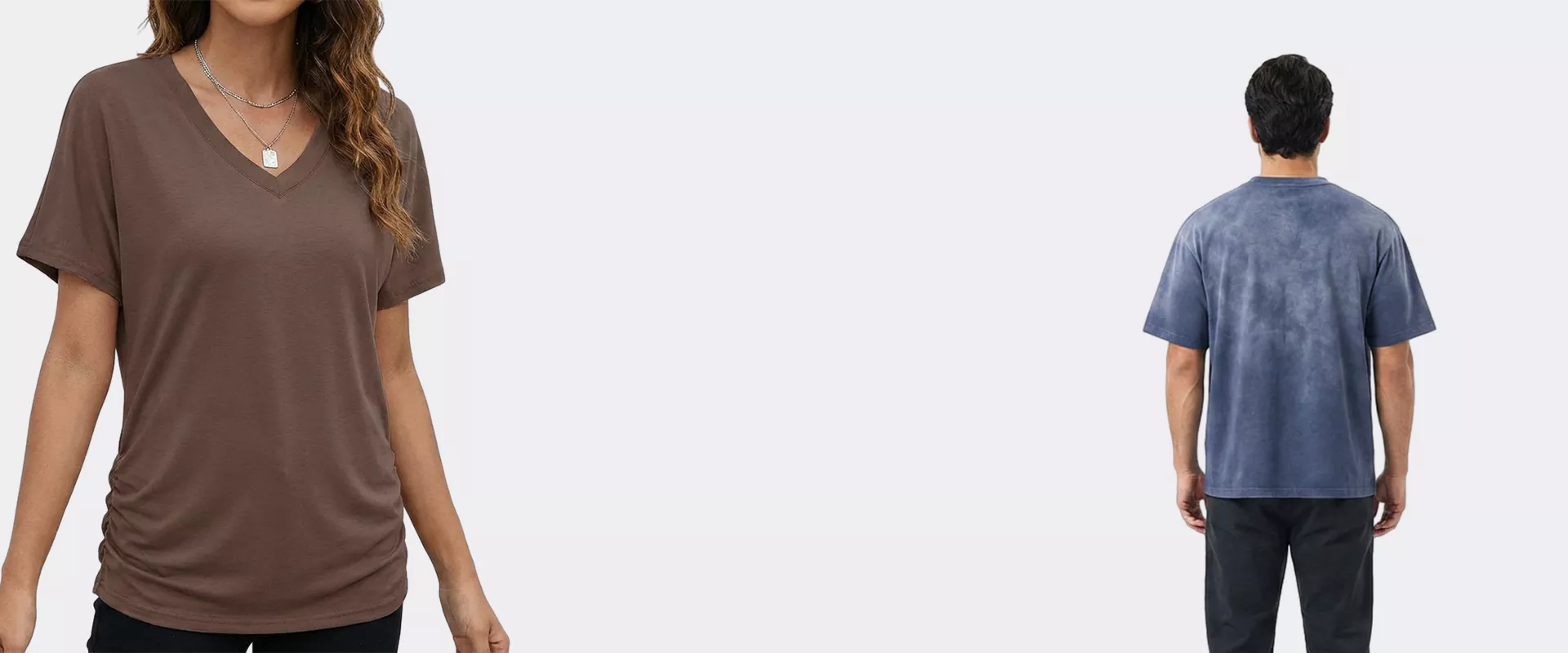
The production timeline for a custom T-shirt begins before sewing. A factory may need to clarify the tech pack, source fabric, develop samples, revise fit, approve decoration, book bulk materials and prepare labels before the first production panel is cut.
For that reason, “How many days does production take?” is incomplete. Ask when the clock starts, what must be approved, which dates are estimates, and whether the quoted date means ex-factory, cargo handover or arrival at your warehouse.
There is no universal T-shirt lead time. GOODTEX publishes a general sample-development range of 7–15 days depending on style complexity, while its FAQ gives a broad 30–60-day production reference that varies with order quantity. Treat both as planning references, not promises. Your order needs a style-specific schedule covering approvals, material readiness, bulk production, inspection, packing and transport.
1. Define which delivery date the business actually needs
A launch date, warehouse arrival date and factory completion date are not interchangeable. Start with the final business date and work backward through receiving, customs, international transport, cargo handover, final inspection and production.
| Date | What it normally means | Why it matters |
|---|---|---|
| Launch or in-store date | The product must be available to the customer | Marketing, photography and distribution may need stock earlier |
| Warehouse required date | Goods must arrive at the buyer’s receiving location | Includes international and domestic transport, customs and receiving |
| Cargo handover date | The shipment is handed to the agreed carrier or forwarder | Depends on the shipping term and booking |
| Ex-factory date | Finished goods are ready to leave the factory | Does not mean the goods have arrived at port or destination |
| Production completion date | Sewing and finishing are complete | Inspection, rework and packing may still remain |
2. Choose the event that starts the production clock
A quoted lead time may begin after deposit, after final sample approval, after artwork approval or after all bulk materials are available. Confirm the exact trigger in the quotation and purchase agreement.
The factory also needs a stable specification. A request with an undecided fabric, incomplete artwork and missing size breakdown is still in development. Use the T-shirt tech pack checklist to close the information gaps before assigning a firm bulk date.
- Approved style and graded measurements
- Confirmed fabric, color and finish
- Approved print or embroidery artwork
- Final quantity by color and size
- Label, barcode and packaging files
- Agreed payment, shipping term and destination
3. Plan development by approval round, not only sample-making days
GOODTEX’s current company profile states that its team can complete sample development within 7–15 days depending on style complexity. That window describes sample development, not the complete calendar from first inquiry to bulk release.
The schedule also includes material sourcing, courier transit, buyer review and any revision. One sample round may answer fit questions; another may be needed for final fabric, decoration, labels and packing. The separate T-shirt sampling process guide explains the jobs of proto, fit, size-set and pre-production samples.
Set a review deadline and name the person who can approve fit, color, artwork and packing. Five days of buyer review are five days on the calendar even when the factory returns comments immediately.
4. Schedule bulk fabric, dyeing, trims and packaging separately
Material readiness often controls the earliest cutting date. In-stock fabric and standard colors follow a different path from custom knitting, dyeing, washing or specially developed rib. Labels, hangtags, bags and cartons may come from separate suppliers with their own artwork approvals and minimums.
| Material | Approval or dependency | Date to record |
|---|---|---|
| Body fabric | Quality, GSM, color, finish and bulk availability | Bulk fabric approved and in-house |
| Rib and thread | Match, stretch, recovery and construction | All sewing materials released |
| Decoration inputs | Strike-off, thread or ink colors and final artwork | Decoration approval complete |
| Labels and hangtags | Artwork, content, size/SKU versions and physical proof | Bulk trims received and checked |
| Unit and carton packaging | Dimensions, warnings, barcodes, assortment and marks | Packing materials ready |
Custom components may also affect the minimum order. Review the custom T-shirt MOQ guide before splitting one order across many colors, label versions or destination markets.
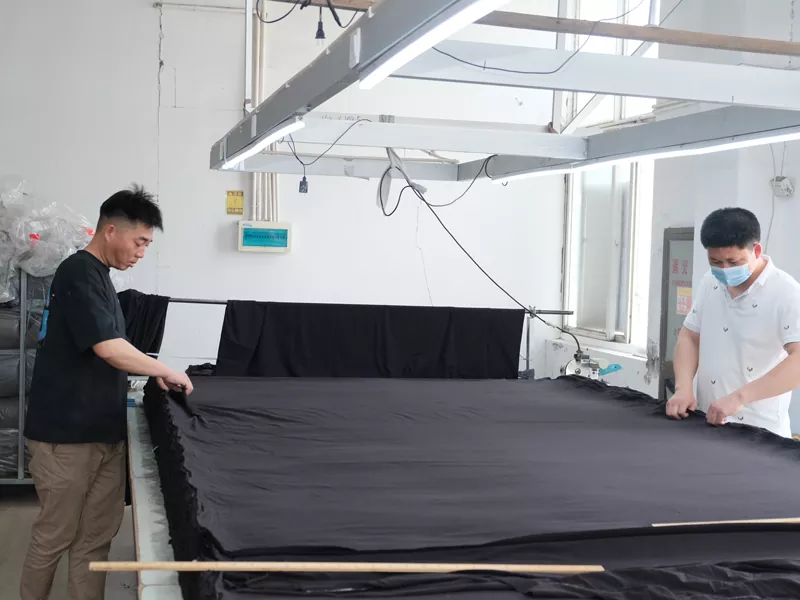
5. Treat pre-production approval as a release gate
The pre-production sample should represent the approved combination of fabric, color, measurements, construction, decoration, labels and packing. If the sample uses substitute fabric or temporary labels, record what remains open and who will release it.
Do not hide unresolved decisions inside a “conditional approval.” List them with owners and due dates. Bulk cutting may proceed only when the agreed release conditions are met. This avoids a situation where fabric is cut while the neckline, print placement or care-label content is still changing.
6. Map bulk production by milestone
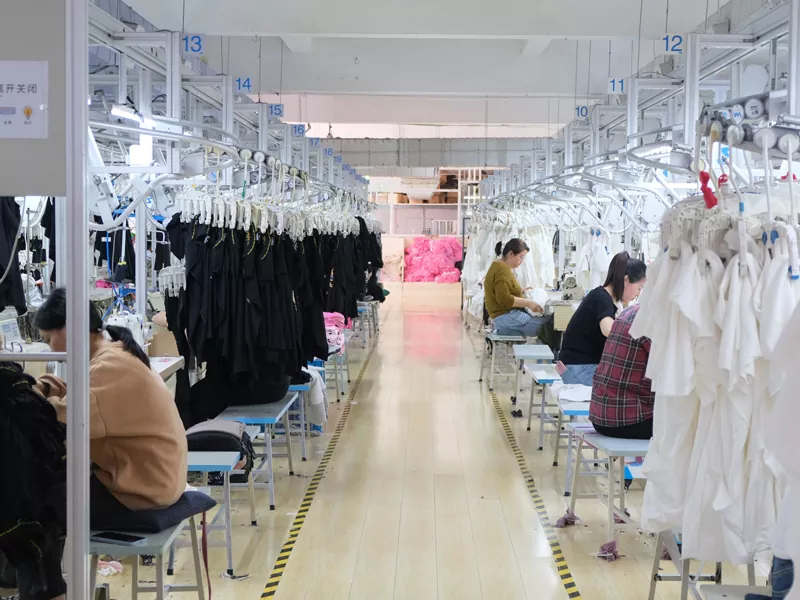
GOODTEX’s published production process identifies fabric cutting, cut pieces, sewing, ironing, inspection, packaging, carton packing and container loading as separate stages. A working schedule should show planned dates for the stages that apply to the actual style.
Some operations run in sequence; others can overlap. Labels may be produced while fabric is being prepared, but final packing cannot close until garments, barcode data and packing materials are all ready. Ask the merchandiser which activity forms the critical path for the style.
7. Leave time for inspection, correction and packing
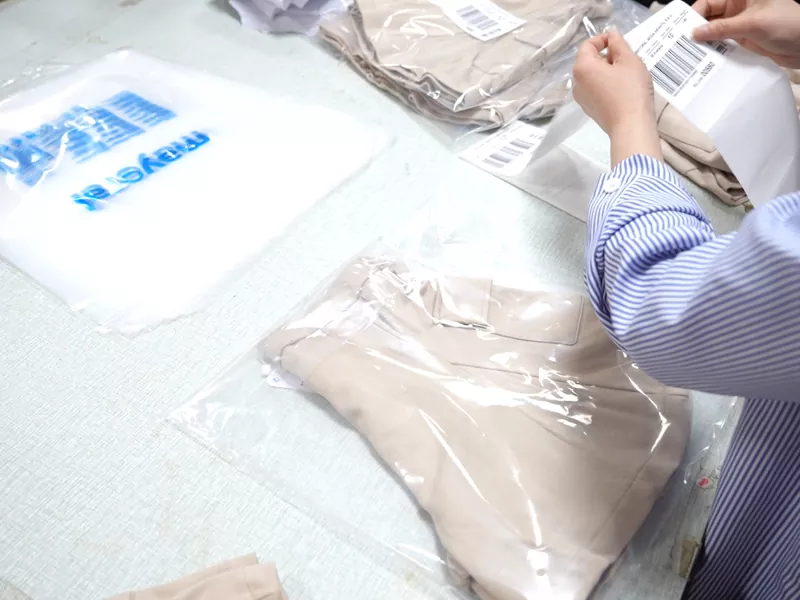
Production completion is not automatically shipment release. The order may still need measurement checks, workmanship inspection, quantity reconciliation, barcode verification, carton packing and document review. If an inspection finds repeated defects, the factory may need time to sort, repair and present the lot again.
Agree when the lot will be ready for inspection, how much of the order must be complete and packed, who books the inspector, and who releases shipment. The T-shirt quality control checklist covers the reference documents, defect rules and report evidence a buyer should define.

8. Separate factory lead time from freight transit
A production quote does not automatically include vessel schedules, air capacity, export handling, customs clearance or delivery from the destination port to the warehouse. Ask the forwarder for a route-specific estimate and its assumptions.
GOODTEX’s FAQ gives general guidance that samples are commonly sent by DHL and bulk orders commonly move by sea. The correct method for a project depends on quantity, carton volume, cost, deadline and destination. Confirm the shipping term so both parties know who books each leg, pays each charge and carries responsibility at each handover.
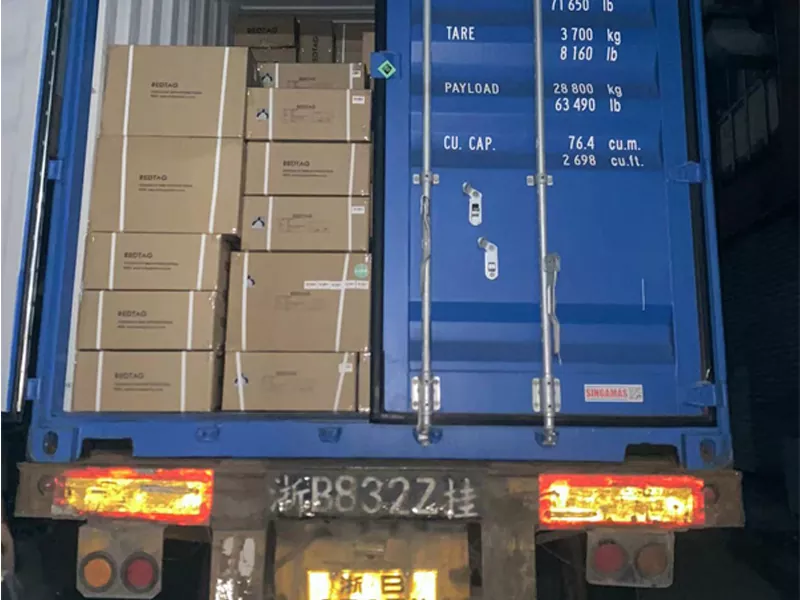
9. Identify delays before they become emergencies
| Risk | Early warning | Planning response |
|---|---|---|
| Incomplete specification | Repeated questions after quotation | Freeze the tech pack, artwork and quantity matrix |
| Slow sample comments | No named approver or review date | Book review time before the sample arrives |
| Custom material delay | Bulk order placed before color or quality approval | Track lab dip, strike-off and material arrival separately |
| Late SKU or label data | Barcodes remain placeholders during production | Set a data freeze and scan-test deadline |
| Failed inspection or test | Requirements were not defined before production | Agree tests, tolerances and defect rules at order release |
| Freight booking change | No booking plan close to factory completion | Coordinate factory, forwarder and destination receiver |
Calendar pressure does not remove approval work. It usually transfers risk to bulk production. When a deadline tightens, identify which specification choices can safely use stocked materials or standard components instead of silently skipping checks.
10. Build one shared working schedule
The schedule should be style-specific and updated when a milestone moves. Use dates, owners and approval evidence rather than a single progress percentage.
- Final business delivery date is defined
- Shipping term and destination are confirmed
- Tech pack and quantity breakdown are issued
- Sample rounds and review deadlines are booked
- Bulk fabric and trim dates are recorded
- Pre-production release conditions are closed
- Cutting, decoration and sewing milestones are dated
- Inspection, rework and packing time is included
- Freight booking and cargo handover are assigned
- Every change shows its effect on the final date
GOODTEX’s general published guidance is 7–15 days for sample development depending on complexity and 30–60 days for production depending on the order. The only dependable date for purchasing decisions is the written schedule confirmed for your specification, quantity and approval status.
For the broader sourcing sequence, return to the custom T-shirt manufacturing guide. If labels, barcode data or cartons are on the critical path, use the custom T-shirt labels and packaging guide.
Questions buyers ask about T-shirt lead times
How long does a custom T-shirt sample take?
GOODTEX publishes a general sample-development range of 7–15 days depending on style complexity. Material sourcing, courier transit, buyer review and revision rounds add time around that factory-development window.
How long does custom T-shirt production take?
GOODTEX’s FAQ gives a broad 30–60-day reference depending on order quantity. The actual schedule also depends on fabric, colors, decoration, labels, packing, approval status and factory loading, so request a style-specific commitment.
When does the production lead time start?
That depends on the quotation. It may start after deposit, final sample approval, complete artwork or material release. Record the exact trigger in writing.
Does production lead time include shipping?
Not automatically. Factory lead time and freight transit are separate unless the quotation explicitly combines them. Confirm the shipping term, route and final delivery point.
How can a buyer prevent avoidable delays?
Send a complete tech pack and quantity breakdown, name the approvers, book sample-review time, freeze label and barcode data, define inspection requirements and coordinate freight before production finishes.
Request a timeline for the actual style
Send GOODTEX the tech pack, quantity by color and size, artwork, destination and required delivery date. The team can identify the approval and material milestones needed for a project-specific schedule.
Send an inquiry Explore casual T-shirtsEditorial owner: NINGBO GOODTEX IMP & EXP CO., LTD. The 7–15-day sampling and 30–60-day production ranges are company-published general guidance, not a fixed promise for every order. Confirm the applicable dates, shipping term and approval conditions in the project quotation.