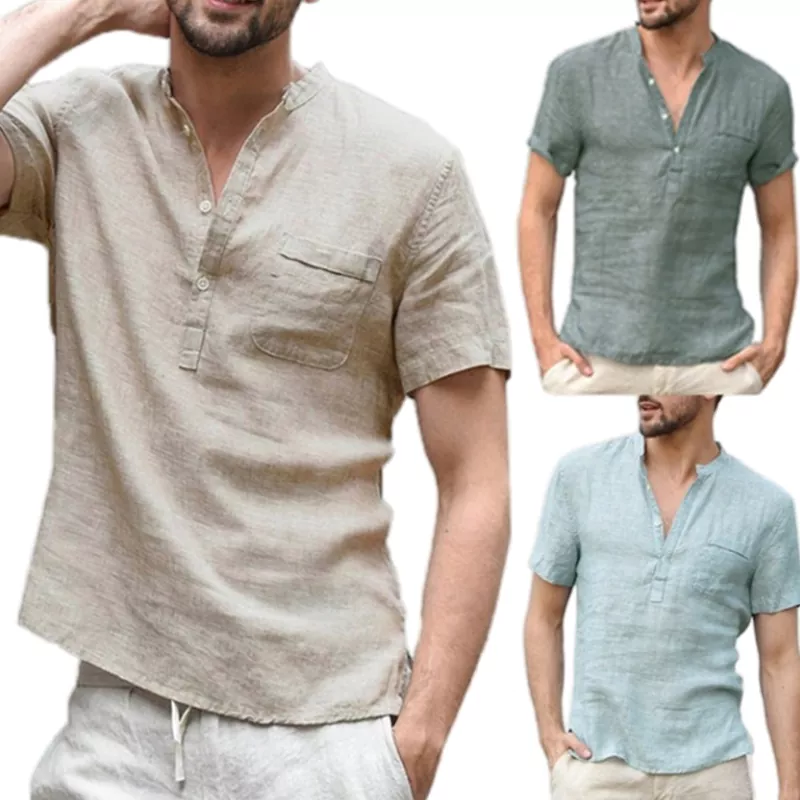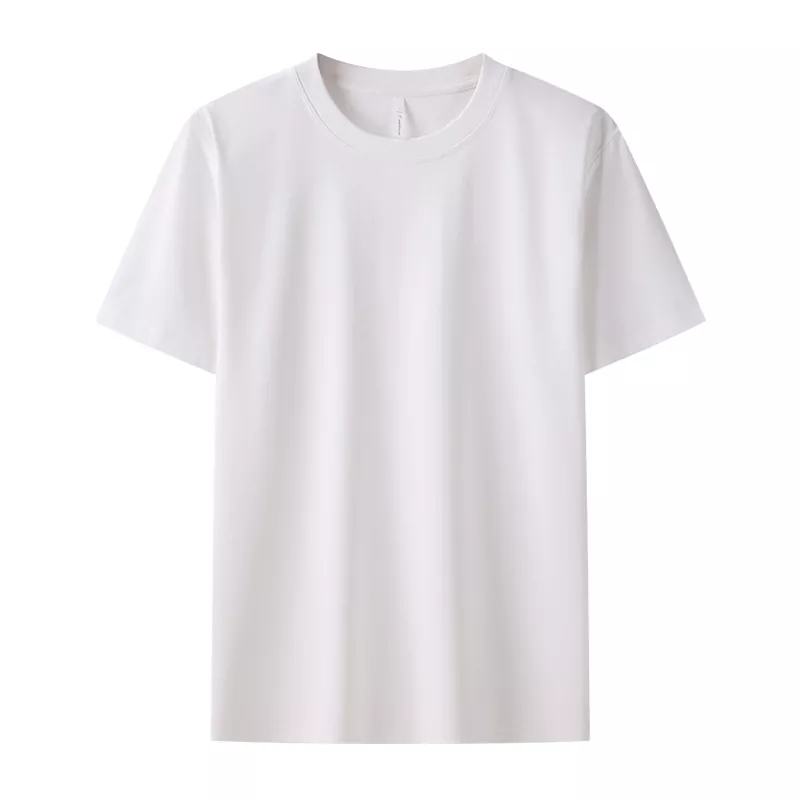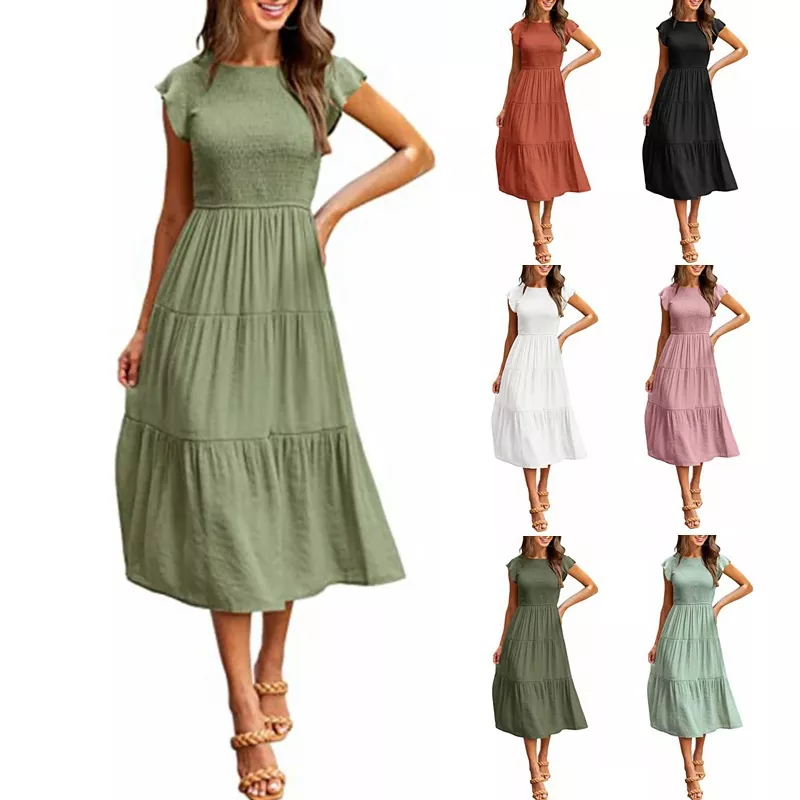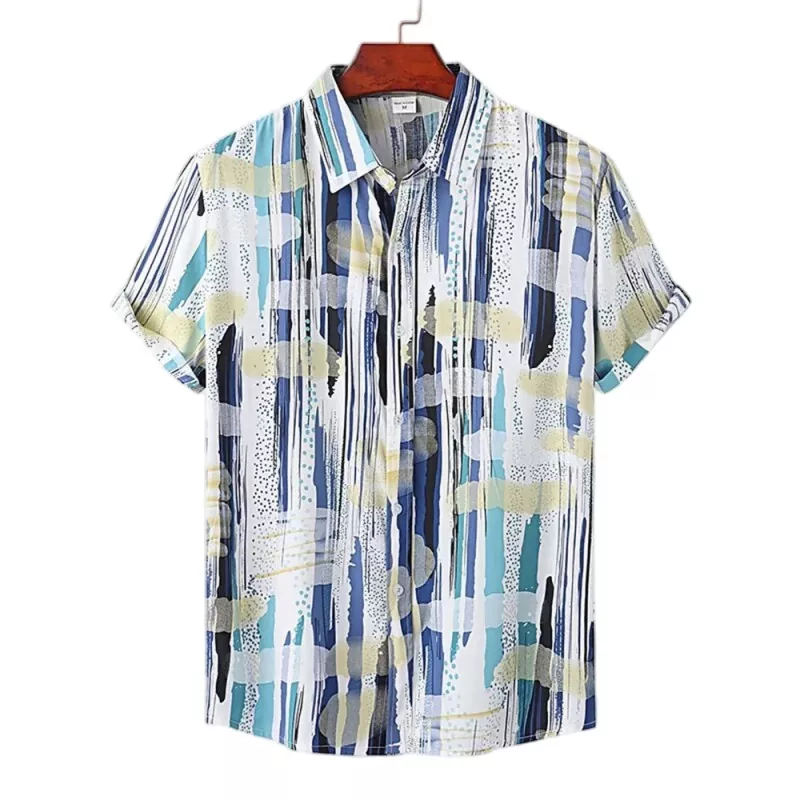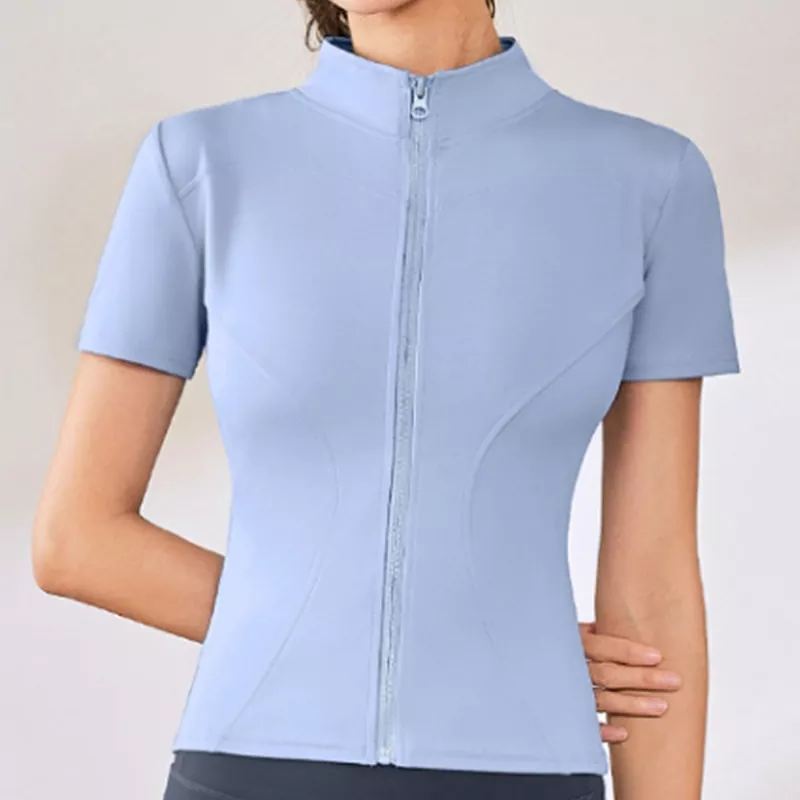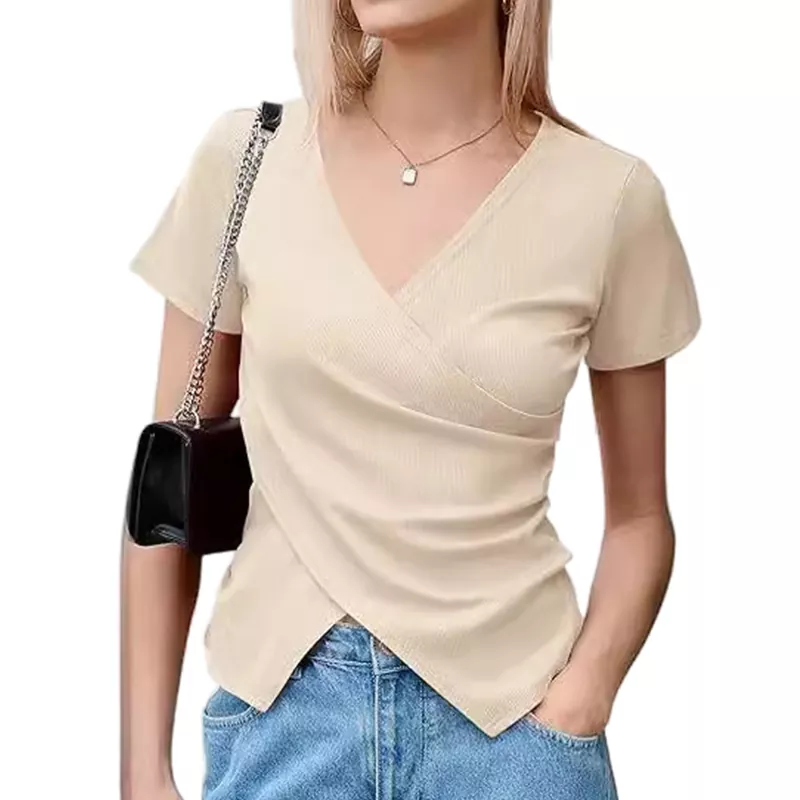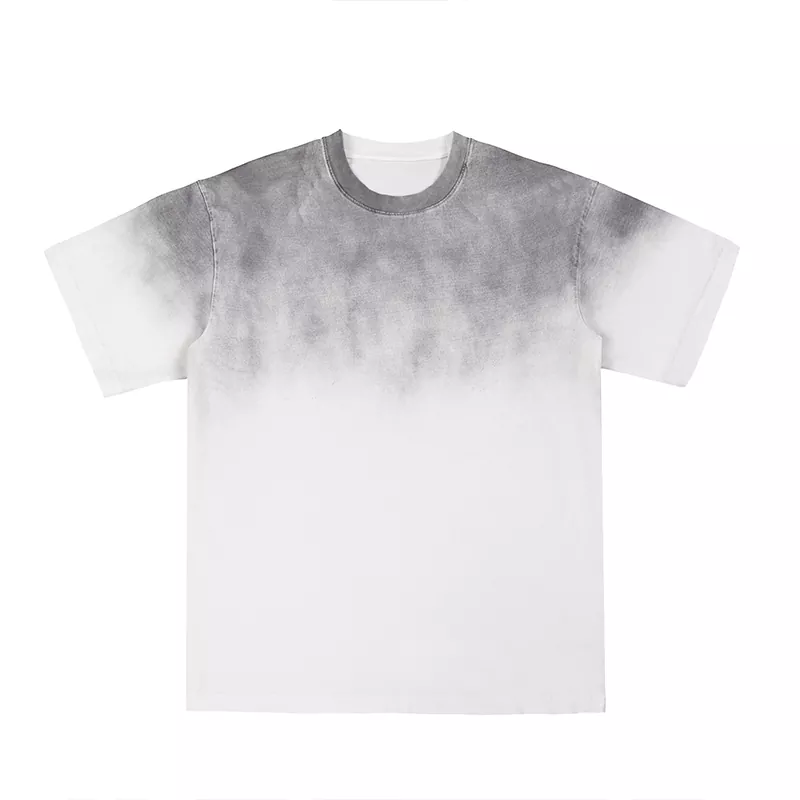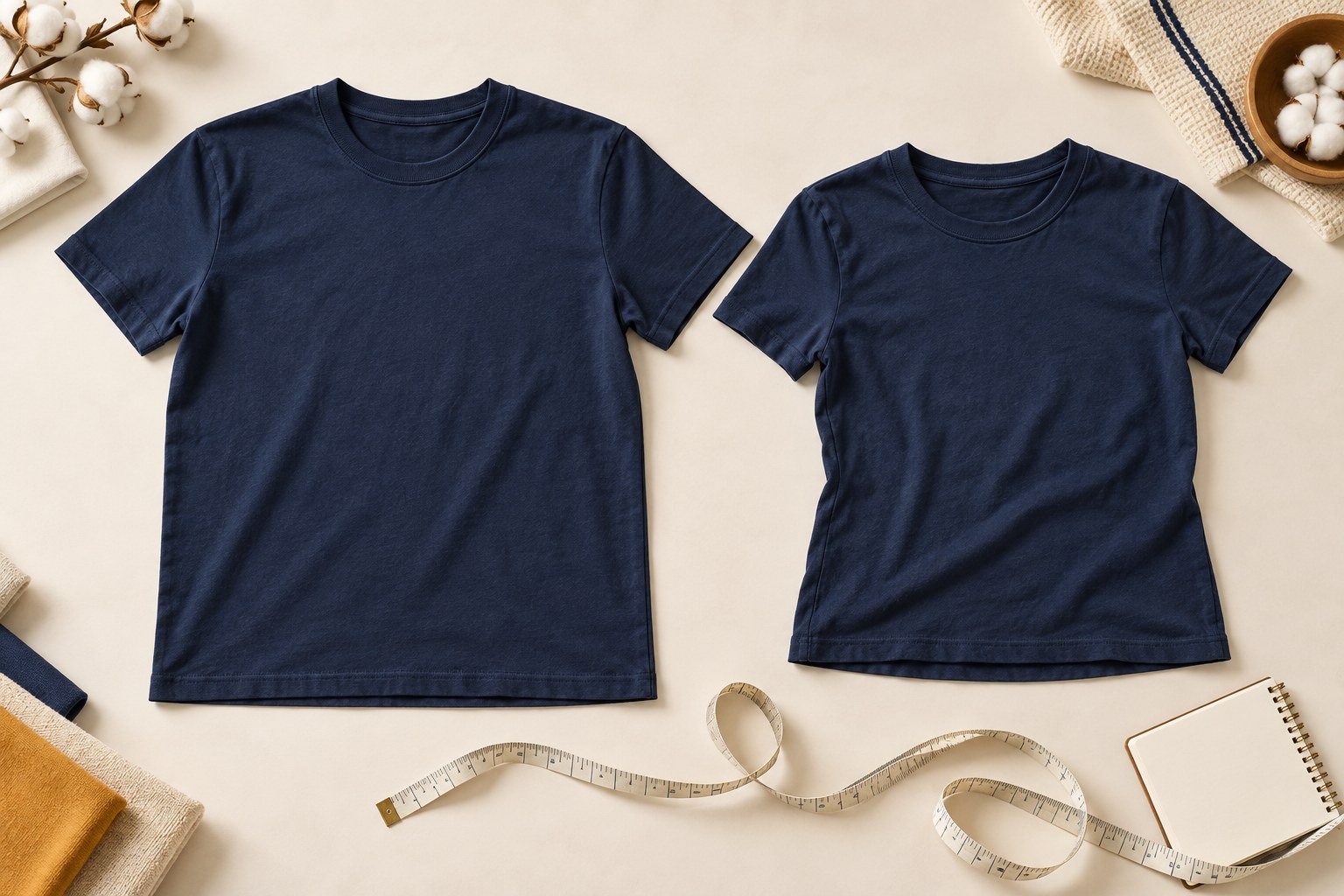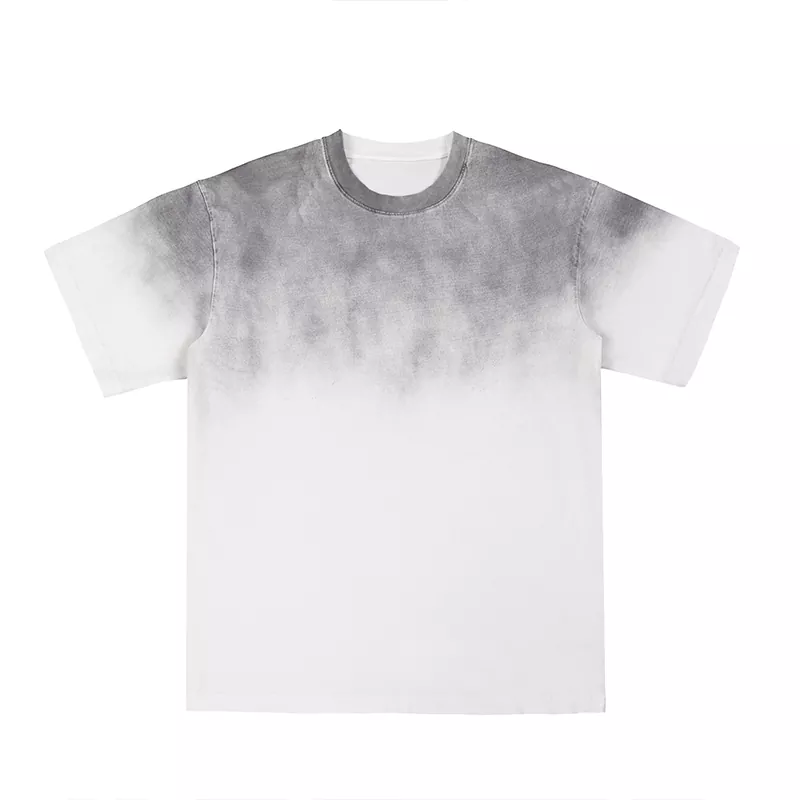

A buyer may ask for 500 T-shirts and expect the factory to treat the order as one run. The factory may see five colors, two fits and several prints that require separate materials and setups. Both totals describe the same purchase, but only the second view explains whether the order meets the supplier's minimums.
The short answer
A custom T-shirt MOQ is the lowest quantity a supplier will accept for the specified production route. Ask whether it applies per order, style, fabric, color, artwork or SKU. A low total MOQ can still contain a high minimum per color. After asking "What is your MOQ?" ask the supplier which part of the specification sets it.
1. What MOQ means in custom T-shirt production
MOQ stands for minimum order quantity. Shopify defines MOQ as the smallest quantity a supplier will accept in one order. It also notes that MOQ rules can be more complex than a single threshold, with minimums tied to colors, sizes, packaging multiples or other production conditions.
In custom clothing, the supplier may quote a garment MOQ and add conditions for each color or design. Upstream suppliers can have their own minimums for fabric, dyeing, rib, labels, hangtags and packaging. The highest binding minimum usually determines what the order can contain.
Total order MOQ
The smallest total quantity the manufacturer will accept across the agreed range.
Style MOQ
The minimum for one pattern and construction. A second fit may count as another style.
Color minimum
The minimum quantity in one fabric or garment color, sometimes called MCQ.
SKU or artwork minimum
A requirement tied to one size, print, label version or other sellable variant.
Get the unit of the MOQ in writing. "MOQ 300" is incomplete. "MOQ 300 pieces per style, with an agreed minimum per color" tells the buyer how to build the range.
2. Why clothing manufacturers set minimums
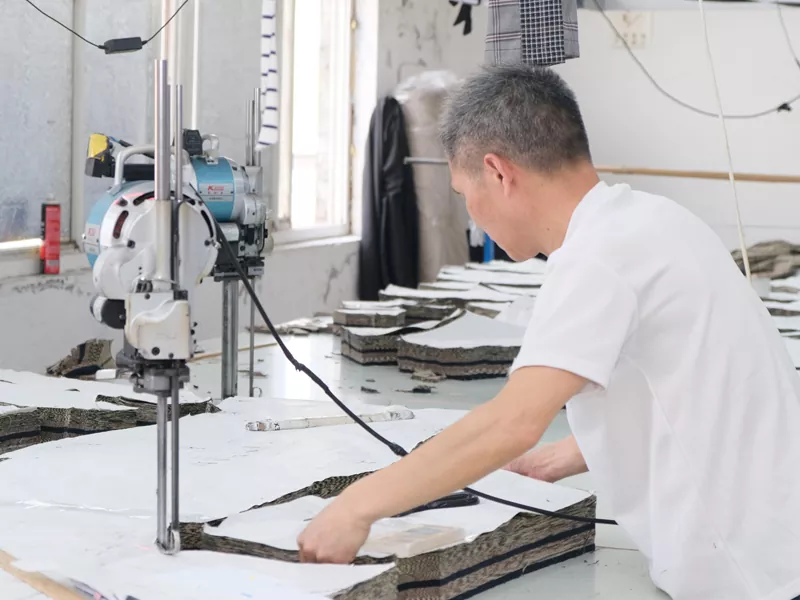
Some production work stays almost the same whether the factory makes a small run or a larger one. The pattern, marker, machine settings, screen preparation, color approval, production scheduling and order administration still need attention. A supplier spreads those setup costs across the order.
Raw materials create another limit. The garment factory may be able to cut a short run, while the fabric mill or dye house requires a larger batch. A custom woven label or printed polybag may also be sold by the supplier in a quantity that exceeds the finished garment order.
MOQ is therefore both a commercial rule and a production constraint. It can change when the buyer changes the material, color, finish, artwork or delivery plan.
| Cost or constraint | What must happen before the run | What can change the MOQ |
|---|---|---|
| Pattern and cutting | Pattern review, grading, marker planning and cutting setup | Number of fits, panels and size range |
| Fabric | Source, knit or weave, dye, finish and inspect the material | Stock availability, custom color, knit and finish |
| Sewing | Prepare the operation sequence, machines, folders and line | Construction complexity and quantity per style |
| Decoration | Prepare screens, digital files, transfers or embroidery files | Artwork count, colors, placement and method |
| Branding | Develop and order labels, hangtags and barcodes | Number of label versions and supplier minimums |
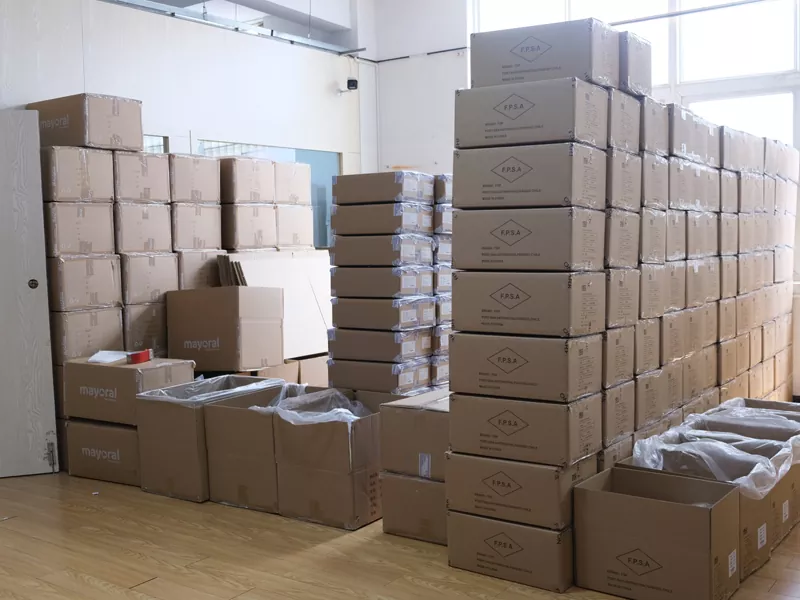
| Packing | Prepare bags, stickers, assortments and carton marks | Custom packaging and pack ratio |
3. Find the MOQ layer that controls the order
An order can meet the sewing-line minimum and still fail another requirement. The right way to plan quantity is to check each layer from material sourcing through packing.
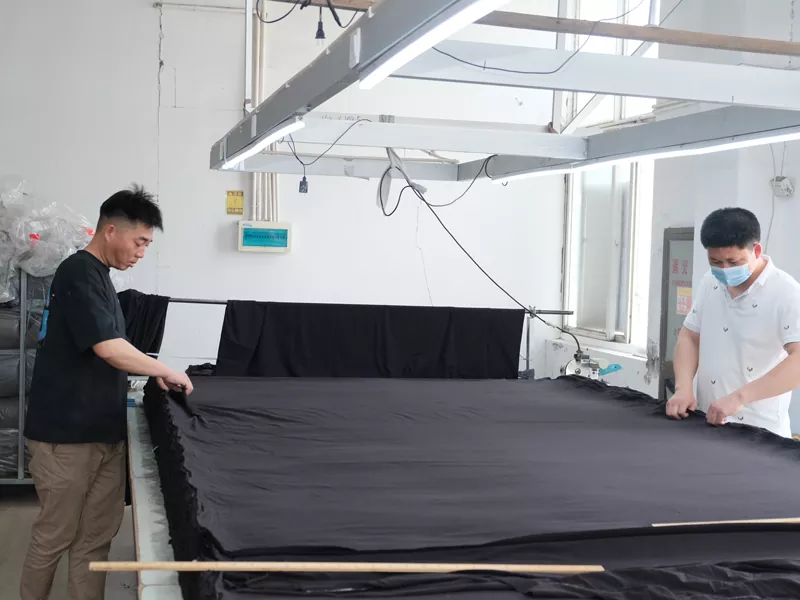
Fabric and color
Ready fabric in a common quality can reduce the amount that must be developed for one order. A custom knit, special blend, exclusive finish or custom-dyed color may need a larger material batch. If several T-shirt styles use the same fabric and color, ask whether their material demand can be combined even when their garment patterns remain separate.
Rib and trims
The neck rib should be checked separately from the body fabric. A stock matching rib may support a smaller run. A custom rib structure or exact dye match may have its own production minimum. Thread, tape, labels and hangtags can create smaller but still important purchase constraints.
Wash and finish
Garment dyeing, washing, distressing and other finishes run in batches. The finish supplier may set a minimum per color or recipe. Combining several styles does not always help if they require different treatment conditions.
The T-shirt fabric guide for wholesale buyers helps define fiber and knit. Use the T-shirt GSM guide to describe weight without assuming that all fabrics with the same GSM share one MOQ.
4. Ready blank, private label or custom cut-and-sew?
The level of customization changes which minimums apply. A ready blank already has a pattern, fabric and construction. The buyer adds decoration or packaging. A private-label program may use an existing garment base with custom labels and colors. A cut-and-sew T-shirt starts from the buyer's fit, materials and details, so more parts of the supply chain must be prepared for the order.
| Production route | What is already fixed | Likely MOQ drivers | Useful for |
|---|---|---|---|
| Stock blank plus print | Fit, fabric, construction and available colors | Blank stock, decoration and packing | Fast tests, events and straightforward branded merchandise |
| Existing base with private label | Core pattern and standard construction | Garment color, label, decoration and packaging | Brands that can work within an established fit |
| Custom cut-and-sew | Only the buyer's approved specification | Fabric, dyeing, pattern, sewing, finishing, labels and packing | Brands that need a distinct fit, fabric or construction |
A low MOQ has little value if it forces the brand into the wrong garment. Decide which specifications are essential before choosing the production route. The T-shirt tech pack checklist separates fixed requirements from items that can remain open for factory proposals.
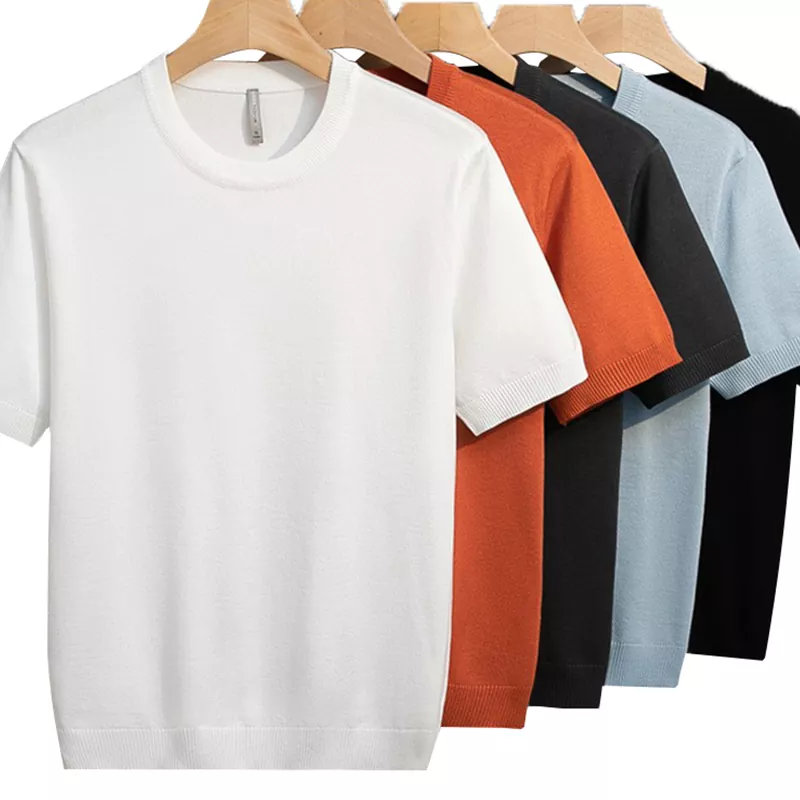
5. Calculate the order by style, color and artwork
Total quantity can hide very small production groups. Start with the style, then split it by garment color and artwork. Add the size ratio within each group. If the supplier requires a minimum per color or graphic, compare that rule with each line rather than with the grand total.
A simple planning view
This is a range-planning formula, not a universal factory MOQ:
Suppose a buyer keeps one fit and one fabric but adds several body colors. The cutting and sewing specification remains shared, while each fabric color still needs its own material plan. Add a second graphic and the decoration supplier may treat the same garments as separate print runs.
| Order change | What can stay combined | What may split |
|---|---|---|
| Add sizes | Fabric color, artwork and sewing setup | Marker, packing ratio and labels |
| Add body colors | Pattern and general construction | Fabric dye lot, rib, thread and color approvals |
| Add artwork versions | Garment base and size ratio | Screen, transfer, print file or embroidery setup |
| Add a new fit | Some materials and branding | Pattern, measurements, marker and sewing operations |
| Add a special wash | Base garment before finishing | Finish batch, recipe, testing and appearance approval |
6. Decoration and branding can create separate minimums
Printing, embroidery and transfers use different setups. Screen printing typically prepares screens for the artwork colors. DTG uses a digital file but still has garment preparation and production-time considerations. Heat transfer may depend on the transfer supplier's sheet or gang quantity. Embroidery needs an approved file and thread setup.
Do not assume that the garment MOQ automatically covers every artwork. Ask whether the decoration minimum applies per design, placement, garment color or print method. A front print and a separate back print may count as two locations even when they belong to one design.
Reduce unnecessary versions
Use one graphic across several sizes and colors when the visual result remains acceptable.
Keep positions consistent
A different print size or location may need another setup and inspection reference.
Standardize brand components
Share one main label and hangtag across compatible styles, with size handled separately where practical.
Avoid a custom pack for every SKU
Use variable barcode stickers on a common bag when the destination market and brand allow it.
Review the trade-offs in the screen printing, DTG and heat transfer guide before choosing a method only because it appears to support a smaller run.
7. MOQ and unit price are related, but they are not the same
MOQ is the smallest acceptable order. A price break is a quantity at which the unit price changes. A factory may accept the MOQ while offering lower unit prices at higher quantities because setup, material purchasing and production time are spread across more garments.
A smaller order can also carry extra charges rather than a different garment price. The quotation may separate pattern development, samples, screens, labels, testing or short-run handling. Compare the total landed order cost alongside the ex-factory price per T-shirt.
| Quote field | What to confirm | Why it matters |
|---|---|---|
| Unit price | Quantity tier, currency, trade term and included specification | A low number may exclude setup or packing |
| Development charge | Pattern, sample and revision policy | Development cost may be separate from bulk production |
| Material surcharge | Stock fabric, custom color or below-mill-minimum purchase | A lower garment quantity can leave excess material or raise input cost |
| Decoration setup | Charge per artwork, color and placement | Several small graphics can cost more than one shared run |
| Labels and packing | Supplier minimum, unused balance and ownership | The brand may pay for more components than the first order consumes |
| Freight and duty | Carton volume, shipping mode and destination charges | These costs sit outside the garment MOQ |
Shopify's MOQ guidance describes the buyer-side trade-off: lower minimums use less capital and storage but can bring higher unit, administrative or shipping costs. Higher minimums may improve unit pricing while increasing inventory exposure. The right order size depends on demand, cash and storage, not on the lowest quoted unit price alone.
8. How to request a lower MOQ without hiding the trade-off
A useful MOQ discussion changes the production plan. Asking the factory to "support a small brand" does not remove fabric or setup constraints. Show which parts of the range can be simplified.
- Use a stock fabric or available color. This can remove custom mill or dye-lot development from the first run.
- Keep one fit across more colorways. One pattern and construction plan reduces the number of separate garment styles.
- Reduce artwork versions. Put more units behind one decoration setup.
- Share labels and packaging. Standard components can be purchased once and used across compatible styles.
- Accept a higher unit price. A surcharge may cover some fixed work when the supplier can physically run the smaller batch.
- Buy the material minimum. Ask whether unused fabric or labels can be stored for a repeat order, and record ownership and storage terms.
- Plan a repeat program. Forecasts and repeat specifications can help the factory plan materials, though a forecast is not a purchase commitment unless the parties agree otherwise.
Do not reduce MOQ by removing approval steps. A smaller run still needs the correct sample, color, measurements, artwork and packing. Cutting quality checks saves little if the finished stock cannot be sold.
9. Compare manufacturer quotations on the same specification
MOQ comparisons fail when each supplier quotes a different product. One factory may assume stock fabric and a standard label. Another may include custom-dyed material, testing and retail-ready packing. The first number looks lower because the specification is different.
- Same fabric composition, knit and GSM
- Same garment color and finish
- Same fit, measurement chart and construction
- Same artwork size, colors and locations
- Same label and hangtag requirements
- Same packing and barcode work
- Same size and color breakdown
- Same testing and inspection scope
- Same delivery country and trade term
- Same sample and revision expectations
Ask every supplier to identify substitutions and exclusions. If a quotation uses an alternative fabric to meet a lower minimum, that may be a sensible option. It should appear as an explicit alternative rather than an unspoken assumption.
10. MOQ questions to include in your T-shirt RFQ
Send the tech pack, artwork and quantity breakdown, then request answers to these questions:
- Is MOQ per order, style, color, artwork or SKU?
- Which material or process sets the minimum?
- Can styles share one fabric or trim order?
- What is the minimum per garment color?
- Can sizes be mixed within each color?
- Does each artwork have a separate minimum?
- Are labels and packaging included in MOQ?
- Will unused fabric or labels remain after production?
- Who owns and stores unused materials?
- What surcharges apply below the preferred quantity?
- Which unit-price tiers should be compared?
- What changes would support a smaller first order?
The answer should connect the minimum to the specification. That gives the buyer something concrete to revise if the first quantity is too high.
Frequently asked questions
What is a typical MOQ for custom T-shirts?
There is no reliable universal number. MOQ changes with the production route, fabric, colors, artwork, labels and factory. Ask for the minimum per style and per color using the final specification.
Does MOQ apply per size?
Some suppliers allow sizes to be mixed within a style and color minimum. Others need pack multiples or minimums for specific sizes. Confirm the allowed size ratio and any per-SKU rule in writing.
Why does adding colors increase the minimum?
Each garment color may need a separate fabric dye lot, rib and thread match, color approval and cutting plan. Stock colors may have different conditions from custom-dyed colors.
Can several T-shirt styles share one MOQ?
A factory may combine material demand when styles use the same fabric and color, but patterns, cutting and sewing can still be treated separately. Ask which production layers can be consolidated.
Is a lower MOQ always more expensive per piece?
Often, but not always. A smaller run may carry a higher unit price or separate setup charges because fixed work is spread across fewer garments. Stock materials or simpler decoration can sometimes reduce both MOQ and cost.
Can GOODTEX confirm MOQ before sampling?
An exact MOQ needs the style, fabric, colors, artwork, size breakdown, labels and packing route. Send those details for a project-specific review rather than relying on a general number.
Send the range breakdown with the total quantity
Share your tech pack, garment colors, artwork versions, size ratio and target quantity with GOODTEX. The team can review which parts of the specification affect the production minimum and quotation.
Discuss your T-shirt orderSource and publishing notes
The general MOQ definition, complex MOQ conditions and buyer inventory trade-offs are supported by Shopify's Minimum Order Quantity guide. Apparel-specific sections in this article are a neutral sourcing framework and do not state a GOODTEX project MOQ.
Product and production images are sourced from the GOODTEX casual T-shirt range and GOODTEX production process.
Publishing note: Add the actual publication date and a named commercial or production reviewer before this article goes live. Confirm any GOODTEX-specific MOQ wording with the business owner.