
Custom T-shirt production works best when the brand and manufacturer agree on the product in measurable terms. A photo can communicate the look, but it cannot settle fabric weight, body measurements, print placement, shrinkage, packaging or the standard for accepting a bulk order.
This guide explains the decisions that should be made before you request a quote. It also shows where a physical sample matters more than a written description. Use it to prepare a private label T-shirt program, compare factory proposals or fix gaps in an existing tech pack.
The short answer
Start with the customer and target price, then define the garment. Your RFQ should state the style, fabric composition and GSM, fit measurements, colors, decoration, labels, size range, quantity by color and size, packaging, destination market and required delivery date. Ask for a development sample before approving bulk production. Keep the approved sample and specification as the reference for inspection.
1. Build the product brief before asking for a quote
A factory can quote accurately only when the request is specific enough to price. "Premium oversized cotton T-shirt" leaves several expensive questions open. The fabric may be light or heavy. The garment may use a standard shoulder or a deep drop shoulder. The print may be one color or cover most of the front. Each choice changes material use, labor and production risk.
| Decision | What to specify | Why it affects the order |
|---|---|---|
| Customer and use | Fashion basic, promotional tee, workwear, sportswear, streetwear or retail uniform | Sets expectations for hand feel, durability, decoration and price |
| Garment shape | Regular, slim, boxy, oversized, cropped, longline or custom silhouette | Changes the pattern, measurement chart and fabric consumption |
| Fabric | Fiber content, knit, GSM, stretch, finish and approved color | Usually represents the largest material decision |
| Decoration | Artwork, print or embroidery method, size, colors and placement | Affects setup, handling time, minimums and testing |
| Branding | Main label, size label, care label, hangtag, sticker and packaging | Requires artwork approval and may have separate supplier minimums |
| Order plan | Total quantity plus breakdown by style, color and size | Determines material purchasing, cutting ratios and unit cost |
| Destination | Sales country, delivery address, shipping term and deadline | Guides labeling, documentation and logistics planning |
2. Decide whether you need OEM or ODM
Manufacturers do not always use OEM and ODM in exactly the same way, so confirm what the service includes before comparing quotes.
OEM production
You provide the design, measurements, artwork and other product requirements. The manufacturer develops and produces the T-shirt to that specification. OEM suits brands with a defined fit, visual identity or technical brief.
ODM development
You begin with a manufacturer-developed style and customize selected details such as fabric, color, print, labels or packaging. ODM can reduce development work, but the allowed changes and ownership of the base design should be clear.
GOODTEX lists both OEM and ODM for its casual T-shirt range. Ask which pattern, fabric and trim changes are included in the quoted service. If design confidentiality matters, settle ownership and non-disclosure terms before sending production files.
3. Choose the fabric and knit as one specification
Fiber content alone does not define a T-shirt fabric. A useful fabric specification combines the fiber blend, yarn or knit description, GSM, color, stretch and finish. "180 GSM combed cotton single jersey" gives a manufacturer more to work with than "soft cotton."
| Fabric direction | Useful when you want | Confirm during sampling |
|---|---|---|
| Cotton single jersey | A familiar everyday hand, matte surface and broad print compatibility | Shrinkage, twisting, opacity, pilling and hand feel after washing |
| Cotton and polyester blend | Lower shrinkage, easier care or a balance between cotton feel and synthetic durability | Blend ratio, color matching, print result and surface pilling |
| Polyester or performance knit | Quick drying use, sports programs or dye sublimation | Moisture management, snagging, odor expectations and print migration risk |
| Interlock or double knit | A denser structure, smoother faces or more body than single jersey | Weight, heat, stretch recovery and sewing behavior |
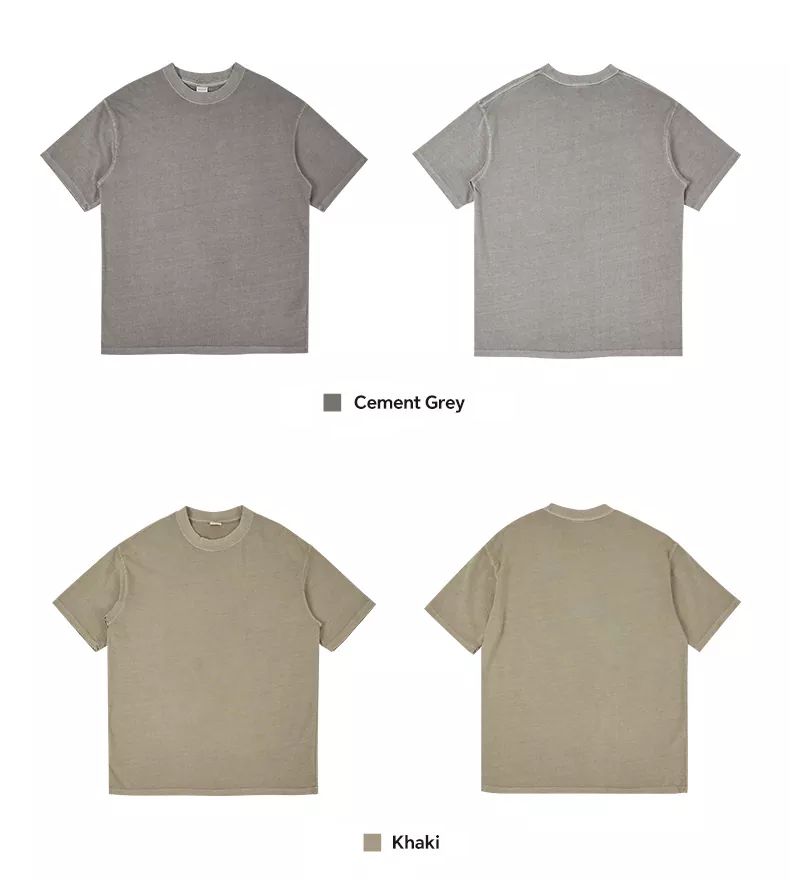
| Washed or distressed fabric | A vintage surface and variation between garments | Approved color range, hand feel, measurement change and repeatability |
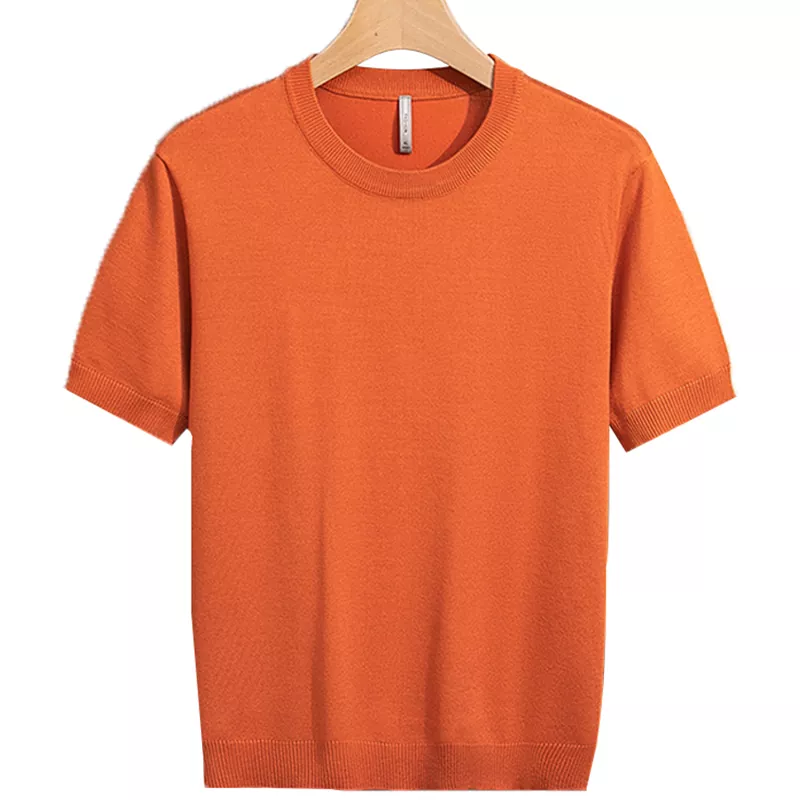
The existing GOODTEX T-shirt fabric guide compares cotton, polyester, blends and common knit structures in more detail. Use the guide to narrow the options, then approve a physical swatch or garment sample. Screen color and written descriptions cannot replace hand feel.
4. Put the decisions into a production-ready tech pack
A tech pack gives the factory one controlled source for the product. It should show the current revision date and version number so old measurements or artwork do not return later in development.
- Front and back technical drawings
- Finished garment measurement chart
- Measurement method and points of measure
- Fabric composition, knit, GSM and finish
- Rib, neck tape, thread and other trims
- Seam and stitch construction
- Artwork files, colors, size and placement
- Main label, size label and care label files
- Color references or approved lab dips
- Size range and grading rules
- Folding, polybag and carton requirements
- Required tests and inspection criteria
Reference garments are useful when a drawing cannot describe hand feel or fit. Mark what should be copied and what should change. Sending a sample without written instructions invites two people to read the same garment differently.
5. Plan the sample stages before bulk production
Sampling is a decision process, not a formality. The names used for samples differ by factory and project, but each sample should answer a specific question.
- Development or prototype sampleChecks the design direction, base pattern, initial fabric and construction.
- Fit sampleChecks measurements, balance, neckline, sleeve, shoulder and overall silhouette on the intended body or form.
- Size setChecks how the approved base size grades across the required size range.
- Print or embroidery strike-offChecks color, scale, detail and execution before the decoration is applied to a full run.
- Pre-production sampleRepresents the approved combination of fabric, trims, labels, construction, decoration and packaging before bulk starts.
- Shipment sampleShows a finished unit taken from production and packed as agreed.
GOODTEX states that samples are developed from buyer drawings and references. Its site gives a general sampling window of 7 to 15 days, but fabric sourcing, custom dyeing, decoration and revision rounds can change that timing. Confirm the schedule for the actual style instead of treating a general window as a fixed promise.
6. Understand what happens after approval
The order process listed in the GOODTEX FAQ runs from quotation and sample development through sample confirmation, contract and deposit, mass production, delivery and follow-up. A custom T-shirt order typically passes through the working stages below.
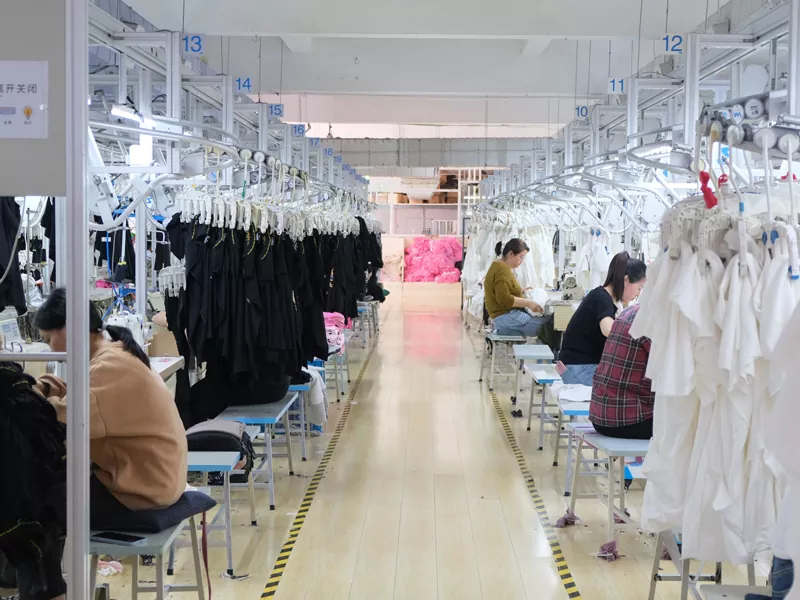
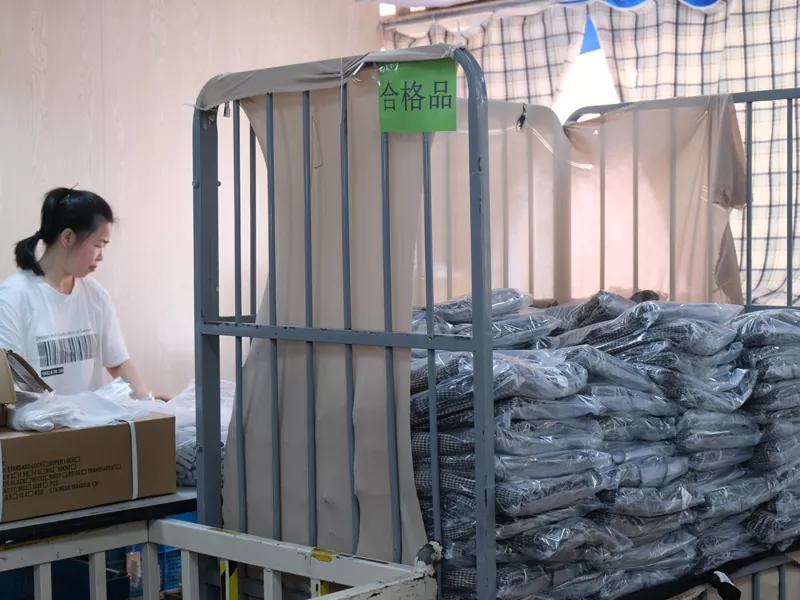
- Material confirmationApprove fabric, color, rib, thread, labels, packaging and other purchased components.
- Pattern and marker preparationFinalize the graded pattern and plan how pieces will be placed on the fabric.
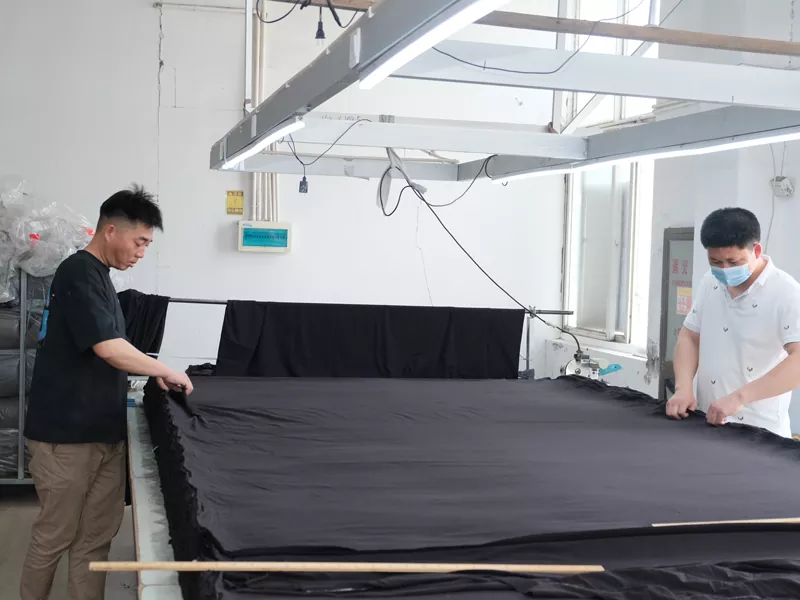
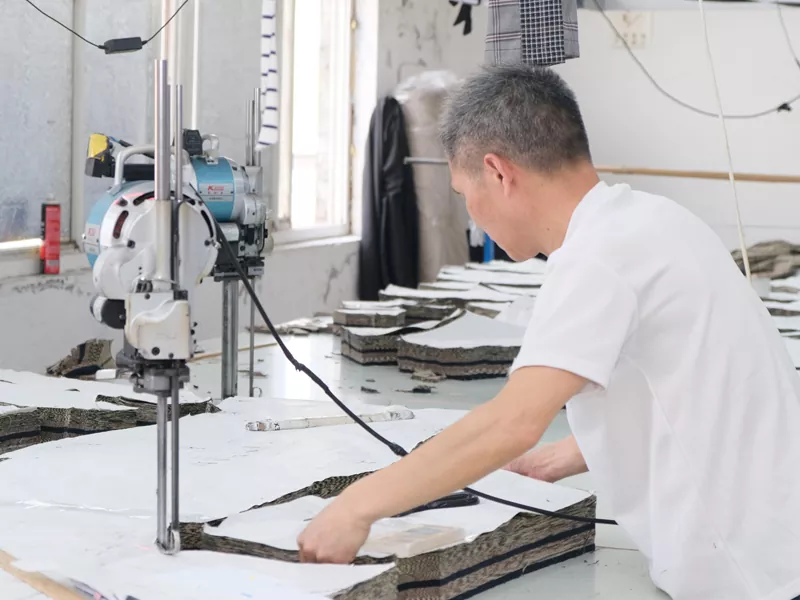
- Fabric spreading and cuttingRelax or prepare fabric when required, spread layers, cut panels and maintain bundle identification.
- DecorationComplete approved printing, embroidery, washing or other processes at the agreed stage.
- Sewing and in-line controlAssemble the garment and check recurring construction or measurement problems before they spread through the lot.
- Finishing and final inspectionTrim threads, press or finish the garment, measure samples, check appearance and confirm packing.
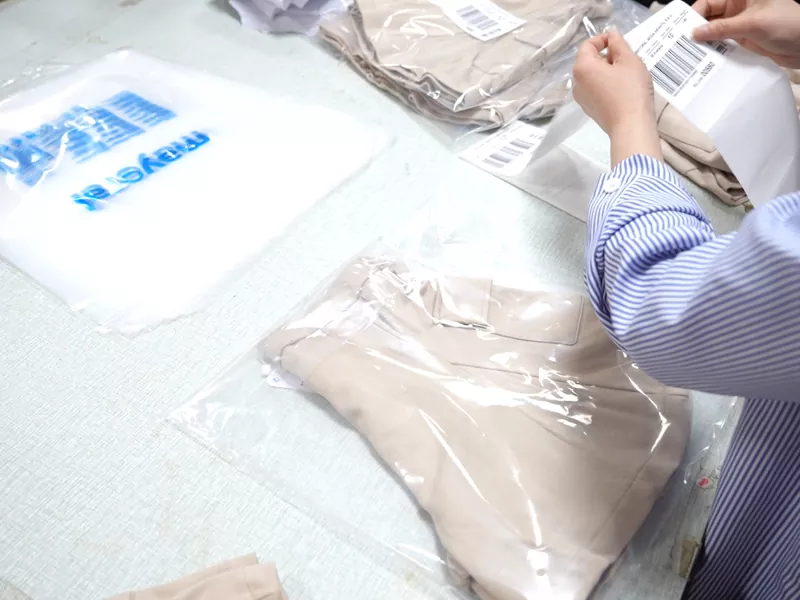
- Carton packing and shipmentApply barcode or carton marks, complete documents and release the accepted order for delivery.
7. Select decoration by artwork, fabric and order plan
Choose the decoration method after the base fabric is known. Ink behavior, heat exposure, stretch and garment finish can change the result. The best method is the one that reproduces the approved artwork on the selected garment and remains workable at the planned quantity.
| Method | Often considered for | Questions to settle |
|---|---|---|
| Screen printing | Repeat artwork and production quantities that justify screen setup | Ink system, color count, underbase, hand feel, artwork size and cure |
| Heat transfer | Detailed graphics, names, numbers or lower setup requirements | Film type, edge feel, stretch, pressing conditions and wash result |
| Embroidery | Small logos, badges and textured branding | Stitch count, backing, puckering, weight and placement |
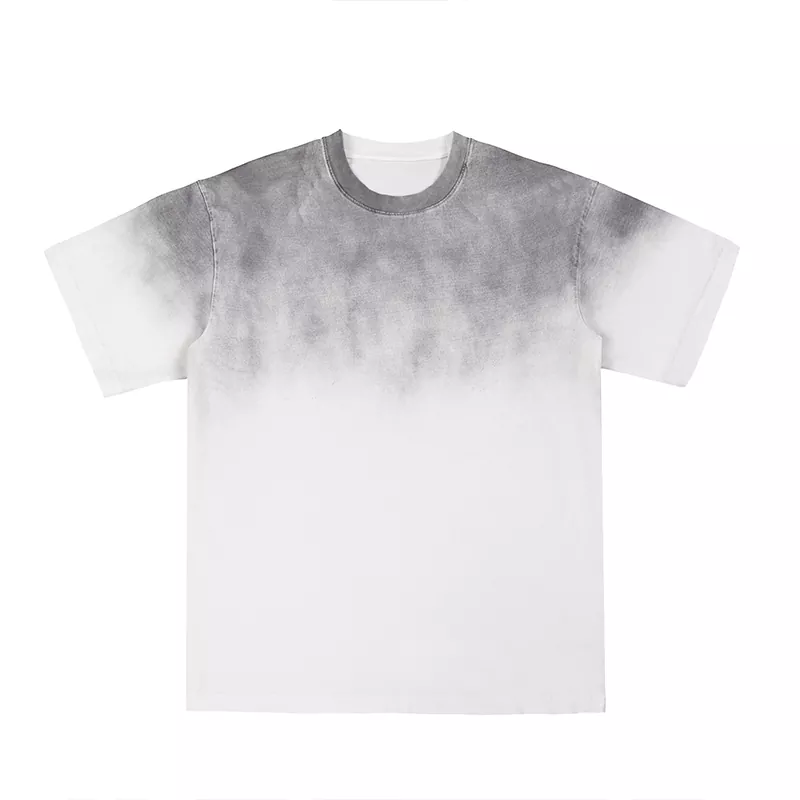
| Garment wash or tie dye | Vintage, faded or deliberately variable appearance | Approved variation, shade range, measurement change and label behavior |
| Dye sublimation | Polyester garments and artwork that benefits from dye entering the fiber | Fiber content, color profile, white base, migration and panel alignment |
GOODTEX product specifications list options including water-based, plastisol, discharge, heat transfer, tie dye and several embroidery formats. Availability still depends on the artwork, material and style. Approve a strike-off on the final fabric whenever decoration is central to the product.
8. Compare price and MOQ on the same specification
A low unit quote is useful only when it covers the same garment. Compare fabric composition and weight, measurements, decoration, trims, labels, packing, inspection, shipping term and payment term before deciding that one proposal costs less.
What changes the unit price
- Fabric type, GSM, color process, finish and material purchasing minimum
- Pattern complexity and total fabric consumption
- Print colors, artwork size, embroidery stitch count or wash treatment
- Custom rib, labels, hangtags, zippers, packaging and carton requirements
- Quantity per style and color, plus the size ratio
- Testing, inspection, documentation and delivery term
Why MOQ changes
Garment MOQ is only one minimum. Fabric mills, dye houses, printers, label suppliers and packaging suppliers may each have their own production minimum. A factory may be able to sew 100 pieces while the requested custom fabric requires a larger purchase. Ask the manufacturer to separate the garment MOQ from any material or color minimum.
Some products currently listed by GOODTEX show a 100-piece MOQ, including a washed cotton men's T-shirt. Treat that figure as a style-specific reference, not a sitewide promise. The final minimum depends on the fabric, color, decoration and customization requested.
9. Define quality before the final inspection
Quality control starts with an approved specification. A final inspector cannot decide what neckline shape, shade range or print placement the brand intended if those points were never approved.
| Control point | Typical checks | Reference |
|---|---|---|
| Incoming material | Fabric identity, width, weight, shade grouping, visible faults and approved trims | Approved swatch, purchase specification and test requirements |
| Pre-production | Pattern, measurement chart, construction, artwork, labels and packing | Approved pre-production sample and signed comment sheet |
| In-line | Measurements, seams, skipped stitches, puckering, alignment and recurring defects | Tech pack, tolerance table and defect definitions |
| Final | Quantity, assortment, appearance, measurement sample, labels, packaging and cartons | Purchase order, approved sample and agreed inspection plan |
If the order uses acceptance sampling, agree on the sampling standard, inspection level and defect limits in writing. ISO 2859-1:2026 defines sampling schemes indexed by acceptance quality limit for lot-by-lot inspection. AQL sampling is a method for deciding whether to accept a lot from a sample. It is not a claim that every unit was inspected or that an accepted shipment has no defects.
Also define critical, major and minor defects for the product. A missing legal label, an open seam, a measurement outside tolerance and a small removable thread should not automatically carry the same consequence.
10. Prepare labels for the destination market
The buyer or importer should confirm which laws apply where the T-shirts will be sold. Do this before label production, since a late change can delay packing or require finished garments to be reopened.
United States
The US Federal Trade Commission states that most textile products need labels that identify fiber content, country of origin and the manufacturer or another responsible business. Manufacturers and importers also have duties under the Care Labeling Rule. Care instructions need a reasonable basis, which may require evidence for the finished garment rather than the fabric alone.
Sources: FTC textile labeling guidance and FTC Care Labeling Rule guidance.
European Union
EU guidance requires textile products sold to consumers to show fiber composition. The label must use permitted fiber names, present the composition in decreasing percentage order and use the official language or languages required in the country where the product is offered.
Source: Your Europe textile label guidance.
Give the manufacturer approved label artwork and a placement diagram. Confirm spelling, fiber percentages, country of origin, business identity, care text or symbols, size and barcode data. This guide is a production planning resource and does not replace advice for the specific market where you sell.
11. Confirm the timeline style by style
The GOODTEX FAQ says production and shipment timing depends on order quantity, with a general production window of 30 to 60 days. It also notes that samples are usually sent by DHL and bulk goods commonly move by sea. Your confirmed order schedule should be more detailed than that general guidance.
Ask for milestone dates covering fabric and trim approval, sample approval, material arrival, cutting, decoration, sewing, final inspection, packing and cargo handover. Add time for buyer feedback, laboratory testing, failed approvals, holidays and freight. A requested delivery date is not the same as an agreed ex-factory date.
12. Send an RFQ that a merchandiser can quote
A clear request for quotation reduces assumptions. Attach the tech pack and artwork, then put the commercial information in the email or RFQ form.
- Brand, contact person and sales market
- Style name and short product description
- Tech pack version and reference sample
- Fabric composition, knit, GSM and finish
- Color references and artwork files
- Quantity by style, color and size
- Labels, hangtags and packaging details
- Required sample type and due date
- Testing and inspection requirements
- Shipping destination and preferred trade term
- Target ex-factory or delivery date
- Any target cost, stated with its assumptions
If some points are undecided, say so. Ask the merchandiser to quote defined alternatives, such as two fabric weights or two decoration methods. That produces a useful comparison without pretending the product is already fixed.
Frequently asked questions
What is the minimum order quantity for custom T-shirts?
There is no universal MOQ. It depends on the fabric, color, decoration, labels and quantity per style. Some GOODTEX product listings show a 100-piece MOQ, but custom fabric or trim suppliers may require more. Request a style-specific minimum and ask whether material minimums are separate.
Can GOODTEX produce both OEM and ODM T-shirts?
GOODTEX lists OEM and ODM services for its casual T-shirt range. Confirm which design, pattern, fabric and trim development tasks are included in the proposal for your project.
What should I send to get an accurate quote?
Send a current tech pack, artwork, fabric and finish requirements, size range, quantity by color and size, label and packaging details, destination, shipping term and required date. A physical reference sample can help when fit or hand feel is difficult to describe.
How long does a custom T-shirt sample take?
GOODTEX gives a general sampling window of 7 to 15 days. The actual schedule can change with fabric sourcing, custom color, printing, embroidery, washing and revision rounds. Confirm the date for the specific style.
Should I approve a sample before bulk production?
Yes. Approve the sample that represents the agreed fabric, construction, measurements, decoration, labels and packaging. Record comments in writing and identify the approved sample as the production reference.
Can I add custom labels and packaging?
Custom labels, hangtags and packaging can be part of a private label order, subject to artwork approval and supplier minimums. The buyer should provide legally accurate content for the destination market.
Ready to brief your custom T-shirt?
Send your tech pack, artwork, quantity and destination. GOODTEX can review the request and clarify the fabric, sample and production details needed for a project-specific quotation.