
How are T-shirts made? From fabric to packed garment
The familiar finished shirt passes through several controlled stages. This guide follows the material and explains what each team needs before work moves forward.
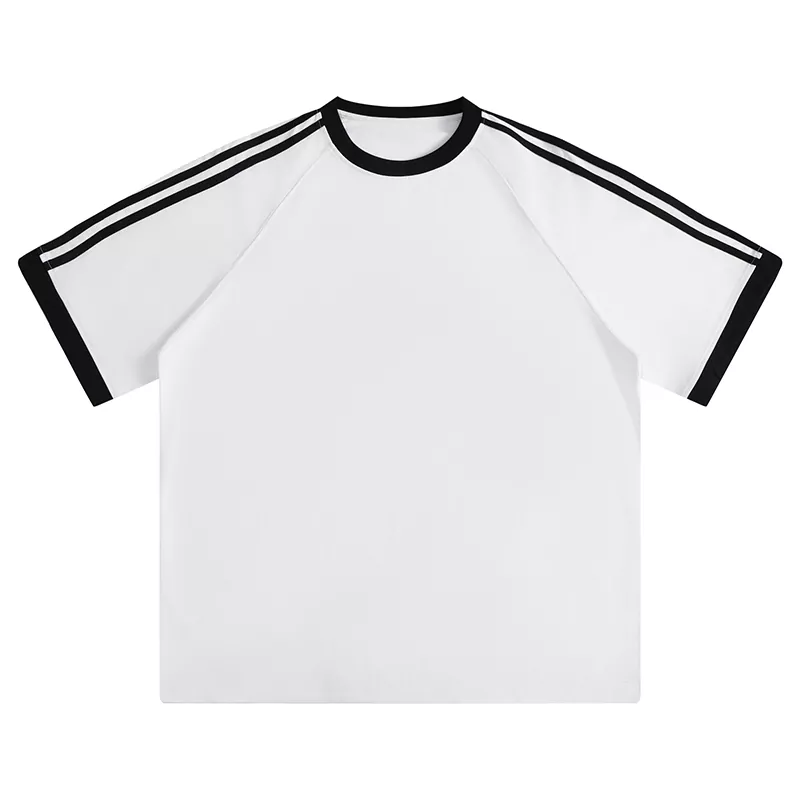
A T-shirt may look simple: body panels, sleeves and a neckline. Making one consistently across sizes is more involved. The fabric must match the approved quality and color; the cut pieces must match the pattern; seams, decoration, labels and packing must match the final specification.
GOODTEX shows its factory workflow as fabric preparation, cutting, sewing, ironing, inspection, packaging, carton packing and container loading on its production process page. The exact route can change with the design. A printed, embroidered or garment-washed T-shirt adds operations at the stage suited to that treatment.
The process in brief
A T-shirt starts with an approved pattern, fabric and sample. The factory prepares and cuts the fabric, keeps the pieces identified by size and color, adds any decoration at the planned stage, sews the garment, finishes it, checks it against the approved references, then folds, labels and packs it. Each step can only be judged against a specification that was agreed before bulk production.
Before the first panel is cut
Production needs a stable reference: the latest pattern, graded measurement chart, fabric and trim details, artwork, label files, packing instructions and an approved sample. The sample shows the intended appearance and hand feel; the written files explain how to repeat it across sizes and colors.
A prototype can settle the design direction. A fit sample checks the shape and measurements. A pre-production sample can bring the final fabric, construction, decoration and labels together before bulk work starts. The number and names of sample rounds depend on the project; the purpose of each approval matters more than the label used for it. GOODTEX discusses the wider decision sequence in its custom T-shirt manufacturing guide.
1. Fabric is checked and prepared
Once the bulk material arrives, the factory checks that it matches the approved fabric, color and required quantity. Fiber content, knit structure, weight and finish can affect how the garment hangs and how it behaves during cutting and sewing. Surface flaws and shade differences are easier to identify before fabric becomes cut pieces.
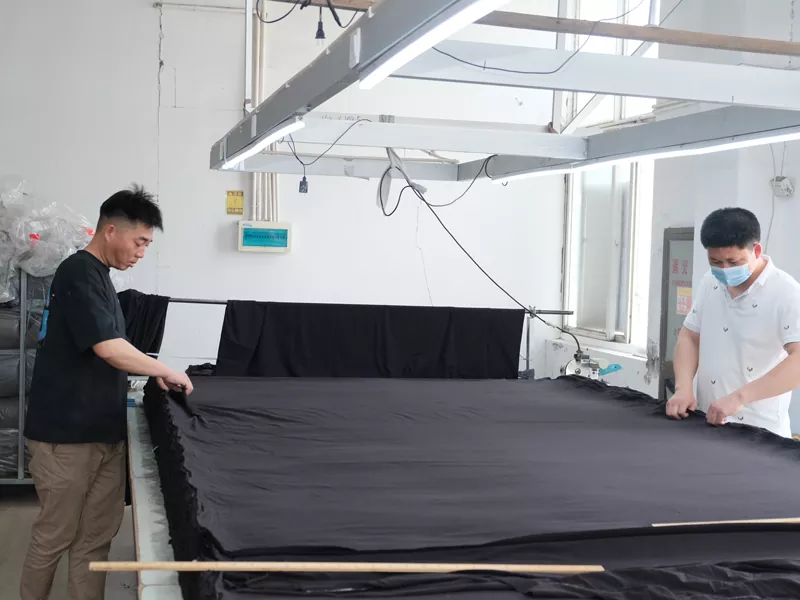
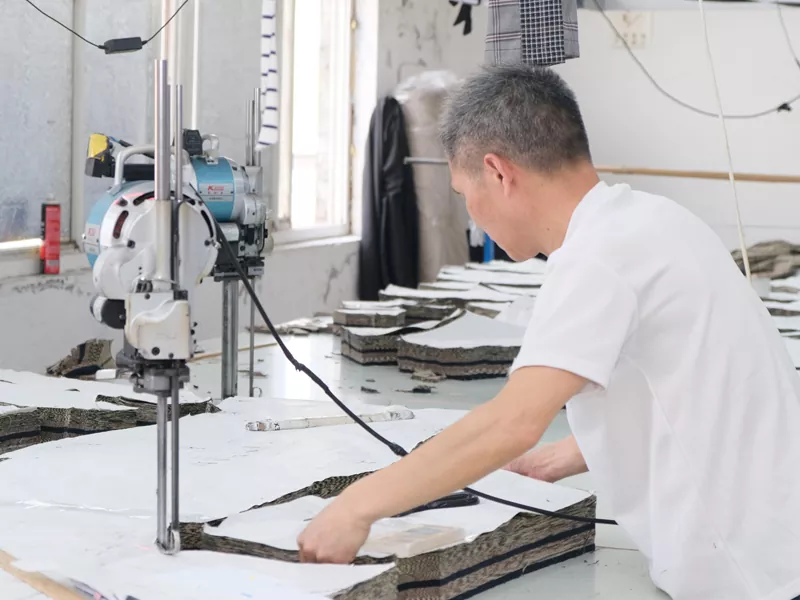
Fabric may need preparation before spreading, depending on the material and supplier instructions. The cutter then lays it in controlled layers. The number of layers and the handling method depend on the fabric and equipment; stretching or distorting the knit at this stage can affect the shape of the finished shirt.
For a deeper explanation of weight as one part of the material specification, see the T-shirt GSM guide.
2. Pattern pieces are cut and kept together
The pattern defines the shapes of the body, sleeves and neck components. A marker arranges those pieces on the fabric for cutting. The cut pieces must correspond to the correct size and color, and any directional fabric or print must be handled according to the approved layout.
After cutting, the pieces are identified and grouped for the next operations. This is a practical control point: a sewing line cannot correct a panel that is cut to the wrong size or mixed into another color bundle. A first-piece check can compare the cut components with the approved pattern before the full lay moves on.
3. Printing, embroidery or washing is placed in the right sequence
A plain T-shirt may go straight from cutting to sewing. A decorated style needs an additional route. Some artwork is applied to cut panels before sewing; other methods work on a completed garment. Garment washing or dyeing can happen after assembly. The factory should choose the sequence for the approved material, artwork and desired finish.
The buyer should approve more than a digital mockup when decoration is central to the design. A strike-off or decorated sample can show size, color, placement, surface feel and how the result sits on the actual fabric. If washing changes shade or measurements, define the accepted range on the finished garment.
4. The shirt is assembled at the sewing line
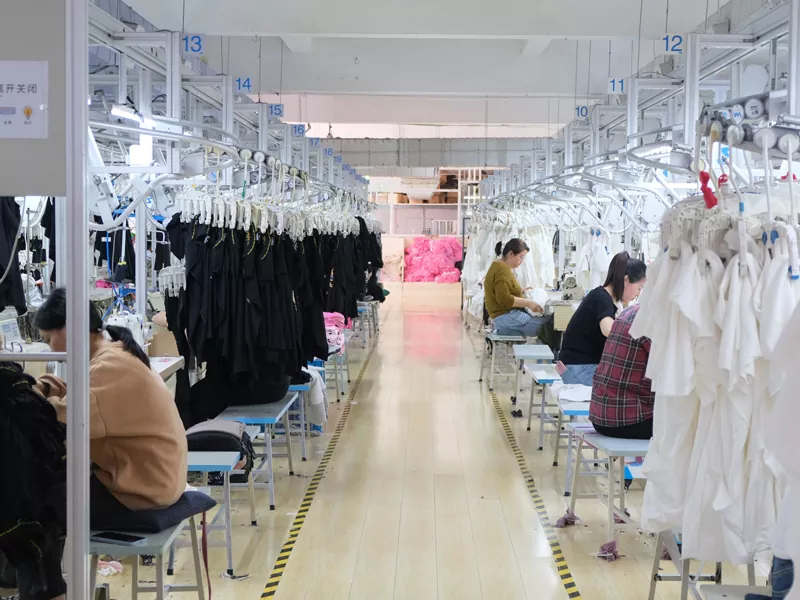
Sewing joins the panels into a wearable garment. On a basic crew-neck T-shirt, the work typically includes the shoulder seams, neck rib, sleeves, side seams and hems. The order of operations can vary with the construction, decoration and equipment.
Operators and in-line checkers look for seam alignment, skipped stitches, puckering, uneven hems, twisting and differences between the two sleeves. Neck shape and stretch recovery matter because they are noticeable when the shirt is worn. The approved sample and construction sheet define the target; “standard stitching” alone leaves too much room for interpretation.
5. Loose threads, appearance and pressing are handled
After sewing, finishing brings the garment closer to its saleable presentation. The work may include trimming loose threads, removing permitted marks, checking the surface and pressing or steaming as appropriate for the material. Ironing is shown as a separate step in GOODTEX’s published factory sequence.
Pressing cannot repair a poorly cut pattern or an open seam. It can improve presentation, but the garment still needs to match the approved measurements after it has settled. Finishing should also leave printed and heat-sensitive areas unharmed.
6. Inspection compares garments with the agreed standard
Inspection checks the finished lot against approved references. Typical checks cover appearance, shade, seams, measurements, decoration, label content and placement. The exact sample plan, tolerances and defect rules should be agreed for the order.
| Stage | Question to answer | Reference |
|---|---|---|
| Material receipt | Is the fabric the approved quality and shade? | Approved swatch and fabric specification |
| First cutting | Do panels match the size and pattern? | Graded pattern and cut-piece check |
| First sewing output | Are seams, neckline and shape consistent? | Construction details and approved sample |
| Finished garment | Do appearance, measurements and decoration pass? | Tech pack, sample and inspection criteria |
| Packed unit | Are size, barcode, quantity and pack correct? | Packing file and order matrix |
Checking at several points gives the factory a chance to correct a repeated issue while it is still in production. The T-shirt quality control checklist explains final inspection, measurement methods and defect classification in more detail.
7. Each shirt is labeled, packed and assigned to a carton
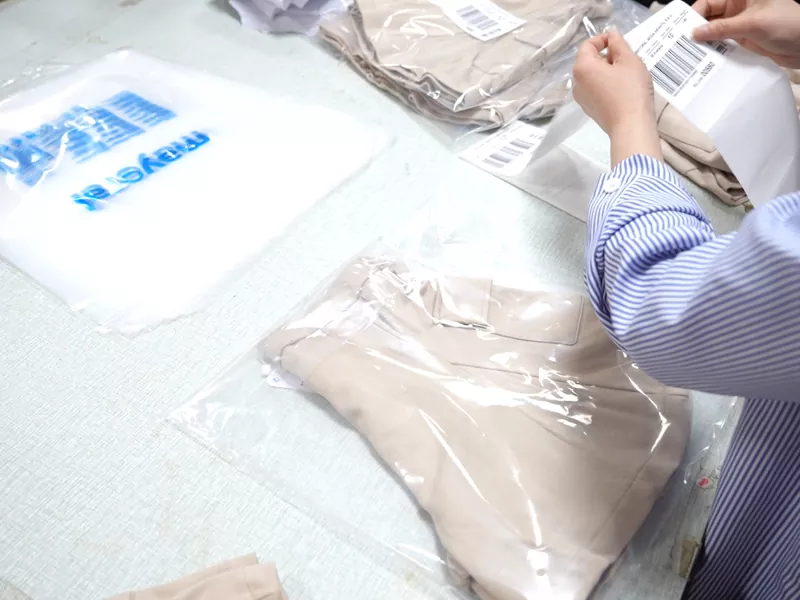
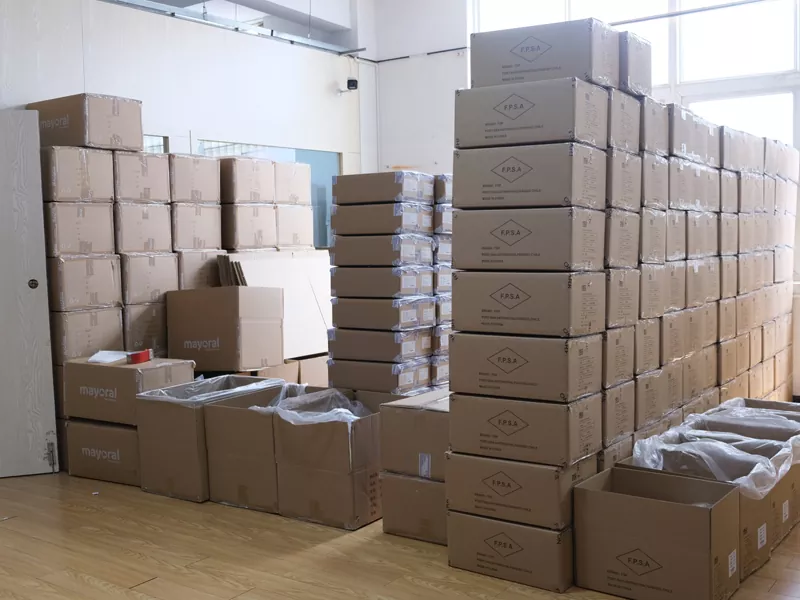
A garment that passes inspection still needs the correct identity. The packing team checks the size label, care and origin information, hangtag, barcode, fold and unit pack against the order file. Cartons then need the agreed size and color assortment and readable shipping marks.
GOODTEX’s process page shows packaging, packing box and container loading after inspection. These are separate steps because a correct garment can be put into the wrong pack or carton. Reconciliation of units and cartons closes the factory stage before cargo handover.
Why two T-shirts may follow different factory routes
The basic stages are familiar, but the order can change. A stock-fabric blank with a small logo follows a different path from a custom-knitted, garment-dyed style with embroidery and retail packaging. The fabric, fit, decoration and destination-market labels each add approvals or operations.
When comparing factories, ask them to describe the route they are pricing and which sample is used as the production reference. That makes a production schedule and final inspection easier to understand.
Common questions about T-shirt manufacturing
Does every T-shirt need the same number of production steps?
No. The basic path covers fabric preparation, cutting, sewing, finishing, inspection and packing. Decoration, garment washing and custom trims add operations where the design requires them.
When is a T-shirt printed?
That depends on the printing method and the approved design. Some work is applied to cut panels and some to finished garments. The factory should confirm the sequence on the actual fabric.
Why is a sample approved before bulk sewing?
It gives the factory and buyer a physical reference for fit, material, construction and appearance. Written specifications remain necessary for sizes, tolerances, artwork and packing.
Is the shirt finished once sewing is complete?
No. Finishing, inspection, labeling and packing may still remain, and the shipment is not ready until the agreed checks and carton count are complete.
Need to define a specific T-shirt?
GOODTEX’s team can review a reference garment or your specification and explain the steps needed for that style.
Send an inquiryEditorial owner: NINGBO GOODTEX IMP & EXP CO., LTD. Factory photographs and the published stage sequence are from GOODTEX’s production process page. The exact order of operations and inspection criteria depend on the style. Add the actual publication date and final URL when publishing.