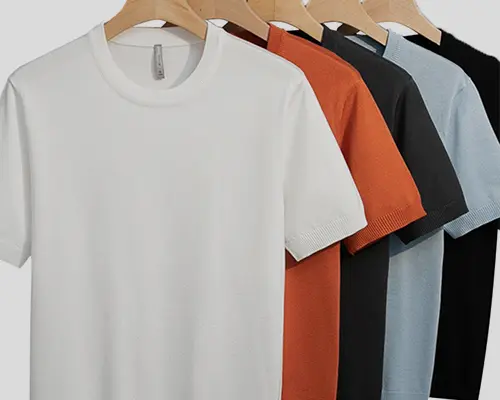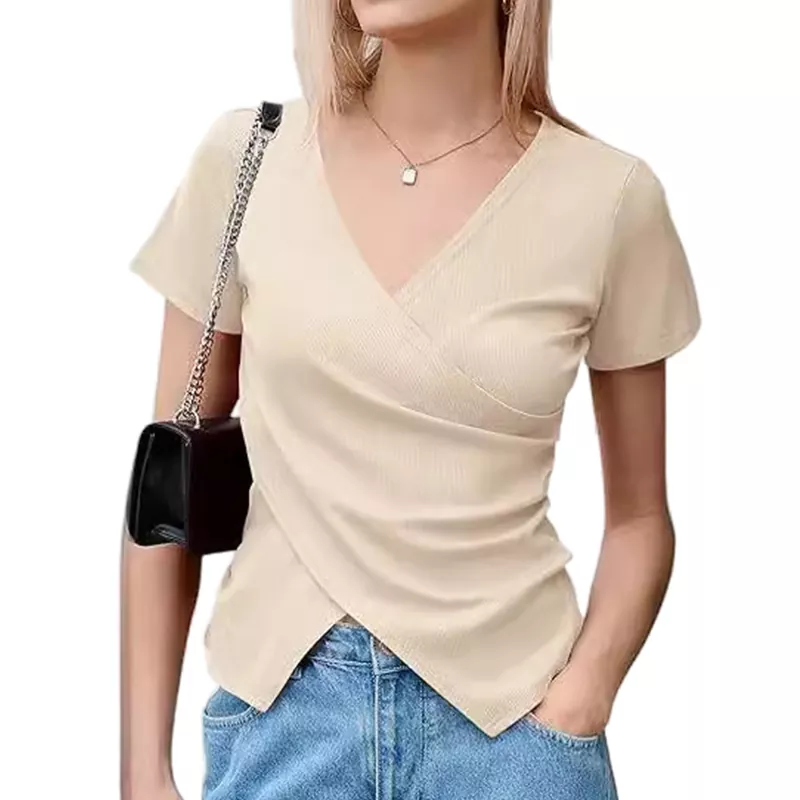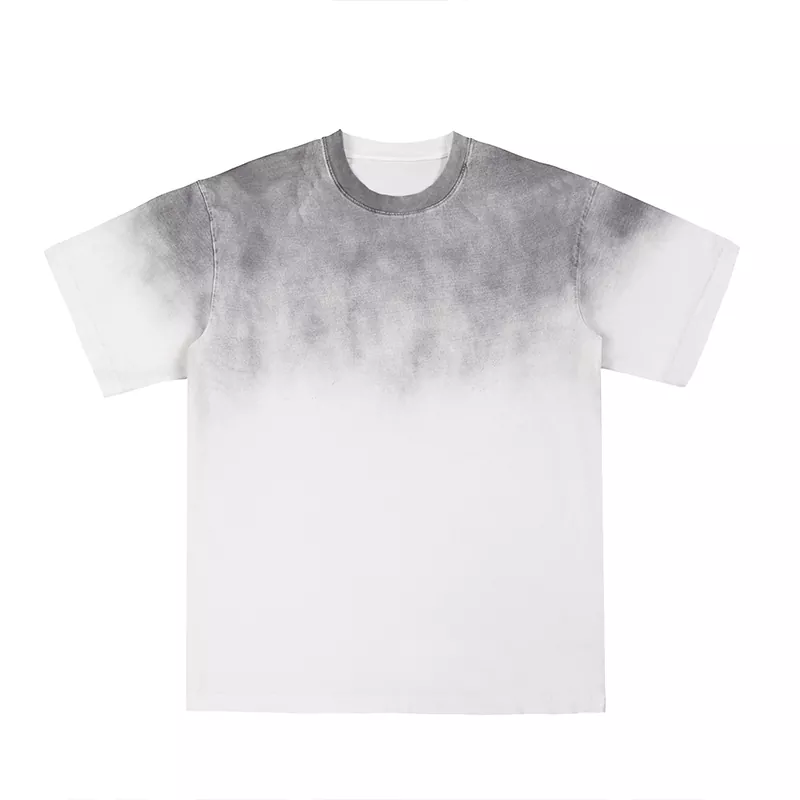

The right t-shirt fabric depends on how the shirt is priced, worn and printed. Combed ring-spun cotton suits premium fashion basics; a 65/35 cotton-polyester blend suits value and promotional ranges; polyester or poly-spandex suits activewear; and Supima, tri-blend or bamboo work for boutique and eco lines. This guide compares each option so you can brief your manufacturer with confidence.
1. Why Fabric Is the First Decision in Any T-Shirt Program
Every t-shirt decision flows from the fabric. Before you settle on a fit, a color card or a print method, the base cloth already decides how soft the shirt feels, how it drapes on the body, how bright a print lands, how much it shrinks in the wash and, ultimately, what it can be sold for. Get the fabric wrong and no amount of finishing rescues it; get it right and the rest of the development runs smoothly.
As a garment manufacturer that ships to wholesalers, retailers, e-commerce sellers and brand owners, we see the same pattern constantly. Buyers who arrive with a clear fabric brief move through sampling faster and reorder more. Buyers who only say "a soft t-shirt" spend extra rounds chasing a feel they never defined. This t-shirt fabric guide is written to close that gap: plain descriptions of the materials, honest trade-offs, and the vocabulary you need to specify a shirt the way a factory reads it.
2. The Four Main T-Shirt Fabric Families
Almost every t-shirt on the market comes from one of four broad families. Knowing which family you are in narrows the conversation immediately.
- Cotton. The default for fashion and everyday basics. Natural, breathable and soft, with a matte surface that takes print cleanly. The trade-offs are shrinkage and wrinkling.
- Polyester. A synthetic built for performance. It wicks moisture, dries fast, resists wrinkles and holds vivid dye-sublimation prints, but it breathes less and can feel less premium on the skin.
- Blends. Cotton and polyester spun together — 65/35, 60/40 and 50/50 are common — to balance the softness of cotton with the durability and easy care of polyester.
- Specialty and sustainable fibers. Bamboo viscose, modal, Tencel, recycled polyester and tri-blend yarns, chosen for a distinctive hand feel or an environmental story.
The sections below open each family up so you can see where your product fits.
3. Cotton Types Compared: Carded, Combed, Ring-Spun & Supima
"100% cotton" tells you very little on its own. The way the cotton is processed and spun changes the feel and the price far more than most buyers expect. These are the terms that actually matter when you compare t-shirt fabric quotes.
| Cotton type | How it is made | Hand feel | Best for |
|---|---|---|---|
| Carded (open-end) | Spun without combing out short fibers | Coarser, more texture, sturdier | Promotional & value tees |
| Combed cotton | Short fibers combed out before spinning | Smoother, stronger, softer | Everyday retail basics |
| Ring-spun cotton | Fibers twisted into a finer, tighter yarn | Soft with a refined surface | Fashion basics |
| Combed ring-spun | Combed first, then ring-spun | Very soft, clean, durable | Premium fashion lines |
| Pima / Supima | Extra-long-staple cotton | Luxuriously soft, lustrous, low pilling | Luxury & boutique tees |
| Organic cotton | Grown without synthetic pesticides | Similar to combed cotton | Eco-positioned ranges |
The single most useful upgrade for most brands is moving from carded to combed ring-spun cotton. The jump in softness and print sharpness is obvious in the hand, while the cost difference per piece stays modest. Pima and Supima sit a tier above again: the longer fibers resist pilling, so the shirt still looks new after many washes — the reason they anchor most premium and boutique programs.
4. Cotton vs Polyester vs Blends: How to Choose
This is the comparison buyers ask about most. Rather than declaring a winner, weigh the properties against how your customer will actually use the shirt.
| Property | 100% Cotton | 100% Polyester | Cotton/Poly Blend (65/35) | Tri-Blend |
|---|---|---|---|---|
| Softness | High | Medium | High | Very high |
| Breathability | Excellent | Lower | Good | Good |
| Moisture-wicking | Low | High | Medium | Medium |
| Shrinkage | Higher | Very low | Low | Low |
| Wrinkle resistance | Lower | High | Good | Good |
| Print result | Crisp, matte | Vivid (dye-sub) | Balanced | Soft, vintage |
| Typical use | Fashion & premium basics | Activewear, performance | Value retail, workwear | Trend-led fashion |
In short: choose cotton for feel and print, polyester for performance, and a blend when you want a bit of both at a lower price. A 65/35 blend is the quiet workhorse of B2B ranges — it shrinks less, wrinkles less and survives industrial laundering, which is why it dominates workwear, uniforms and everyday value tees. A tri-blend (cotton, polyester and rayon) is the opposite choice: it costs more but delivers a soft, slightly drapey, faded look that trend-led fashion buyers love.
5. Sustainable & Specialty Fabrics: Bamboo, Modal, Recycled Poly & Tri-Blend
Specialty fibers are where a range earns a point of difference on a crowded shelf. They usually carry a higher cost and some handling quirks, so specify them deliberately.
- Bamboo viscose. Exceptionally soft and drapey with a silky surface and good breathability. Best for relaxed fits and loungewear rather than crisp, structured styles.
- Modal & Tencel (lyocell). Regenerated cellulose fibers that feel smooth and cool, hold color well and resist shrinking better than plain viscose. A refined, premium hand at a mid-to-high price.
- Recycled polyester (rPET). Performs like virgin polyester but is spun from recycled plastic, making it a common choice for brands that need a credible sustainability claim on a performance tee.
- Tri-blend. The go-to for a soft, vintage, lived-in feel with a flattering drape — a favorite for fashion and boutique lines.
If your program is marketed as organic or sustainable, treat the certification as part of the spec, not an afterthought. Standards such as OEKO-TEX or GOTS apply to specific inputs and supply chains, so confirm exactly what you need with your manufacturer before you commit to a fiber.
6. Knit Structures That Change the Look and Feel
Two shirts made from the same yarn can feel completely different depending on how the cloth is knitted. The knit structure controls stretch, surface texture and weight.
- Single jersey. The standard smooth, lightweight t-shirt knit. Soft, versatile and the base for most tees.
- Ribbed knit. Vertical ridges that add stretch and cling — common on fitted women's tees and cuffs.
- Pique. A textured, slightly waffled surface with more structure, best known from polo-style shirts.
- Slub. Yarn spun with deliberate irregular thickness, giving a casual, artisanal texture that reads as premium-casual.
- Interlock. A double-knit that is thicker, smoother on both faces and more stable — a heavier, more luxurious hand.
- Waffle. A raised honeycomb texture used for henleys and layering tees.
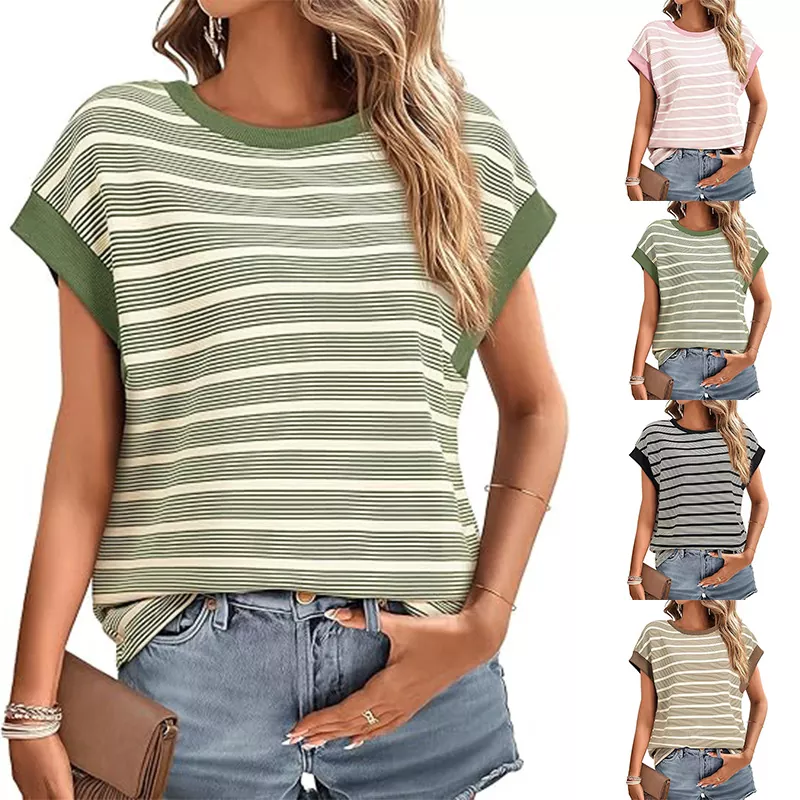
When you specify a shirt, name both the fiber and the knit: "180 gsm combed ring-spun single jersey" tells a factory far more than "soft cotton tee." For a full breakdown of fabric weight, see our companion t-shirt GSM guide, and for how each fabric takes ink, see our guide to custom t-shirt printing methods.
7. Matching Fabric to Your Market
Pulling it together, here is a fast reference for pointing a fabric choice at a buyer type.
| Your market | Recommended fabric | Why |
|---|---|---|
| Premium fashion brand | Combed ring-spun cotton or Supima | Soft hand, clean print, low pilling |
| Value & promotional | Carded cotton or 65/35 blend | Lowest cost, durable, easy care |
| Activewear / performance | Polyester or poly-spandex | Wicks sweat, holds shape |
| Sustainable label | Organic cotton, bamboo or rPET | Credible eco story (confirm certs) |
| Boutique / trend-led | Tri-blend or slub cotton | Vintage feel, distinctive drape |
8. How GOODTEX Helps You Get the Fabric Right
At NINGBO GOODTEX IMP & EXP CO., LTD, fabric is the first thing our merchandiser team discusses on any new t-shirt inquiry. As an OEM and ODM manufacturer based in Ningbo, China, we develop each shirt to your specification rather than pushing a fixed catalog, so you choose the fiber, blend ratio, knit and finish that fit your market.
Our workflow is built to take the guesswork out of fabric selection. A dedicated team of 10 pattern makers using Gerber and Lectra develops your pattern, and a 20-person merchandiser and QC unit follows the order from inquiry to shipment against a BSCI-audited standard. Production runs across three workshops on six intelligent hanging lines with RFID tracking, which keeps quality consistent and lets us handle small, multi-style batches as easily as bulk. With a team of around 170 people behind each order, sampling normally takes 7 to 15 days, so you approve the real hand feel before committing to production. Sizes run from S to XXXL, with custom sizing available, and every fabric can be paired with our full range of printing and embroidery finishes.
The fastest way to land on the right fabric is to send a reference shirt or a tech pack. Our team will match it to the closest quality we can produce and turn a sample around for your approval.
Briefing a new t-shirt program?
Tell us your target market, fabric and finish. We will recommend the right base cloth and sample it in 7–15 days for your approval.
Get a Fabric & Sample QuoteExplore our full casual t-shirt range, including men's t-shirts and women's t-shirts, or read more about our production process.
9. Frequently Asked Questions
There is no single best fabric — it depends on your market. Combed ring-spun cotton is the safe choice for premium fashion basics because it is soft, strong and prints cleanly. Carded cotton or a 65/35 cotton-polyester blend keeps costs down for promotional and value ranges. Polyester or poly-spandex is best for activewear that needs to wick sweat and hold its shape. Match the fabric to how the shirt will be worn, priced and printed.
Carded cotton is spun without removing the shorter fibers, so it is slightly coarser, more textured and cheaper. Combed cotton passes through an extra step that combs out the short fibers, leaving longer strands that spin into a smoother, stronger and softer yarn. Combed cotton costs a little more but gives a noticeably more premium hand feel and pills less over time.
100% cotton feels softer and more breathable and is the classic choice for fashion and premium basics, but it shrinks more and wrinkles easily. A cotton-polyester blend such as 65/35 shrinks less, resists wrinkles, dries faster and usually costs less, which suits value retail, workwear and everyday programs. Choose cotton for feel and blends for durability, easy care and price.
For a premium line, use combed ring-spun cotton or an extra-long-staple cotton such as Pima or Supima. These yarns are finer, softer and more lustrous, and they resist pilling far better than standard cotton, so the shirts still look new after repeated washing. A tri-blend is another premium-feeling option when you want a soft, slightly drapey vintage look.
Yes. Bamboo viscose and modal are very soft, drapey and breathable, with a silky hand feel that stands out on the shelf, which makes them strong choices for premium loungewear and eco-positioned ranges. They usually cost more than cotton and can be less structured, so they suit relaxed fits rather than crisp tailored styles. If your program is marketed as sustainable, confirm the fiber source and any certification you need before you commit.
Yes. GOODTEX is an OEM and ODM garment manufacturer, so you can specify the fiber, blend ratio, knit and finish, and we develop a sample for approval before any bulk run. Sampling normally takes 7 to 15 days, and our in-house pattern-making and QC teams work to a BSCI-audited standard. Send your tech pack or a reference shirt and our merchandiser team will advise on the closest available quality.